



Patterned Textiles
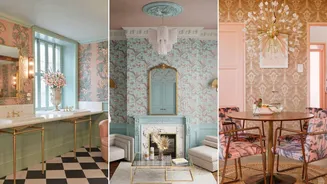
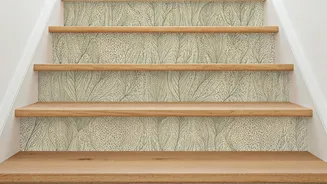
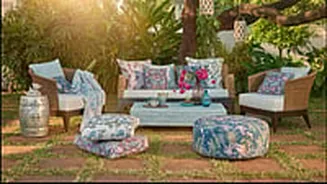
Art Deco's visual richness is often expressed through striking geometric patterns, a key element that can be readily integrated into your home via textiles.
Think of fabrics for upholstery, curtains, or accent cushions adorned with dynamic designs like chevrons, zigzags, and repeating symmetrical motifs. The color palette for these patterns leans towards the bold, featuring rich combinations of black, gold, deep blues, or even vibrant reds. Incorporating these patterned textiles is a fantastic way to introduce visual depth and a distinctive Art Deco flair without overwhelming the room's overall design. It's about selecting pieces that catch the eye and add a layer of sophisticated texture and pattern to your furnishings, making a subtle yet impactful statement about your aesthetic preferences. These fabrics serve as excellent focal points or complementary elements, breathing life and character into any area.
Glamorous Metallics
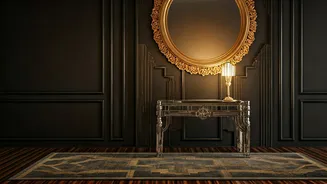
To truly capture the opulent essence of Art Deco, the judicious use of metallic accents is indispensable. Think of incorporating materials such as polished brass, gleaming gold, sleek silver, or polished chrome into your decor. These can manifest as the frames of mirrors and artwork, the legs of furniture, or even in lighting fixtures like chandeliers and table lamps. The reflective quality of these metals not only adds a significant touch of glamour and luxury but also enhances the perception of space and light within a room. They pair exceptionally well with other Art Deco staples like rich woods, lacquered surfaces, and glass, creating a harmonious and visually engaging contrast. The interplay of light on these metallic surfaces contributes to an atmosphere of sophistication and refined elegance, a hallmark of the Art Deco period. It’s about adding those shimmering touches that elevate the ordinary to the extraordinary.
Bold Color Schemes
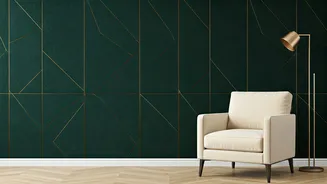
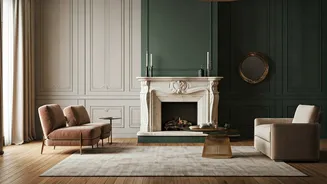
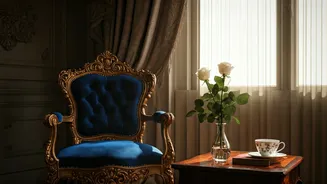
Art Deco design is synonymous with a daring and expressive approach to color. This style embraces palettes that are both rich and impactful, aiming to create a sense of drama and luxury. Jewel tones, such as deep emerald green, sapphire blue, ruby red, and amethyst purple, are central to this aesthetic, often contrasted with more subdued, sophisticated neutrals like cream, beige, charcoal grey, or black. These bold color combinations can be applied to walls as a statement feature, used in large furniture pieces, or introduced through decorative accessories like vases and artwork. The strategic use of these vibrant hues, balanced by calmer tones, helps to define spaces, evoke a specific mood, and contribute to the overall sense of grandeur and opulence that Art Deco is celebrated for. It’s about making a confident color choice that speaks volumes about the room’s character.
Streamlined Furniture
The furniture in an Art Deco interior is defined by its clean, streamlined silhouettes and a focus on functional, elegant forms. This means prioritizing pieces that feature crisp lines, smooth surfaces, and a sense of upward movement or verticality, rather than ornate embellishments. Materials are typically high-quality and often polished, such as dark lacquered woods, rich leathers, marble, and chrome. Think of pieces like elegantly curved sofas, streamlined sideboards, or angular armchairs that are both comfortable and visually striking. The emphasis is on a polished, uncluttered look that feels both modern and luxurious. These furniture designs not only serve their practical purpose efficiently but also contribute significantly to the overall aesthetic, reinforcing the style’s emphasis on sophisticated simplicity and refined taste without creating visual clutter.
Mirrors as Accents
Mirrors are not merely functional items in Art Deco decor; they are integral design elements that amplify the style’s inherent glamour and spatial qualities. Decorative mirrors serve as potent focal points, capable of drawing the eye and adding significant visual interest to any room. The frames themselves are often designed with the Art Deco aesthetic in mind, featuring geometric shapes, stepped designs, or intricate metalwork in finishes like gold, silver, or chrome. Strategically placed mirrors can dramatically enhance the sense of light and space, reflecting ambient light and making smaller rooms feel larger and more open. Beyond their practical use for reflection, these mirrors contribute to the room’s overall opulent feel, acting as decorative art pieces that enhance the sophisticated and luxurious atmosphere characteristic of Art Deco interiors.