





Mastering Hand-Eye Sync
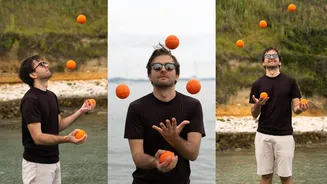
Juggling fundamentally relies on a seamless interplay between what your eyes perceive and how your hands react. Each throw and catch demands precise visual
tracking of airborne objects, coupled with rapid, accurate hand movements to secure them. Through consistent practice, this intricate process refines the brain's ability to process visual information and translate it into effective motor commands. This heightened synchronization between sight and action translates beyond the juggling arena, proving beneficial in a multitude of everyday activities, from sports to delicate manual tasks, making your reflexes sharper and more efficient.
Cultivating Deep Focus
The inherent nature of juggling necessitates an unwavering level of attention. Participants must constantly monitor the speed, height, and anticipated path of multiple objects in motion. This sustained mental effort is a powerful tool for enhancing overall concentration capabilities. As you dedicate time to juggling, your brain becomes more adept at filtering distractions and maintaining focus on a central task. This improved ability to concentrate can then be applied to academic pursuits, professional responsibilities, or any situation requiring prolonged mental engagement, leading to greater productivity and fewer errors.
Igniting Neural Networks
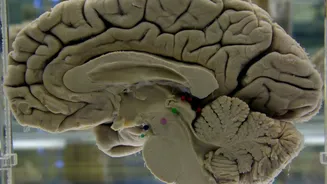
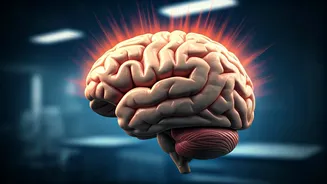
Engaging in juggling is a complex cognitive feat that simultaneously activates diverse regions within the brain. It effectively stimulates neural pathways responsible for critical functions such as problem-solving, strategic planning, and spatial awareness. The process of learning and mastering new juggling patterns or tricks actively encourages the brain to forge new connections – a phenomenon known as neuroplasticity. This continuous rewiring enhances cognitive flexibility, allowing the brain to adapt more readily to novel situations and challenges, fostering a more agile and resilient mind.
Strengthening Memory Recall
Acquiring the skill of juggling inherently involves memorizing distinct patterns and sequences of throws and catches. This repetitive learning process acts as a direct exercise for your memory systems. By practicing these specific sequences over and over, your brain becomes more efficient at encoding and retrieving information. This improved capacity for memory retention can have a positive ripple effect, aiding in areas of life where recalling details accurately, whether for work, study, or personal matters, is crucial for success and competence.
Boosting Mental Agility
Juggling is a dynamic and fast-paced activity that compels quick, on-the-fly decision-making. You must constantly adjust your movements and timing in response to subtle variations in the rhythm or speed of the objects. This continuous requirement for rapid adaptation sharpens mental agility by training your brain to process information and react swiftly, even under pressure or when encountering unexpected changes. Consequently, you develop a greater capacity for quick thinking and problem-solving, skills that are invaluable in navigating the complexities of life both on and off the juggling mat.