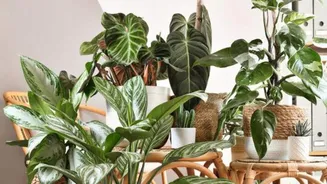








Brighten Up Their Lives
The foundation of robust foliage is adequate light. For indoor plants, this means strategically positioning them to capture sufficient illumination. Assess
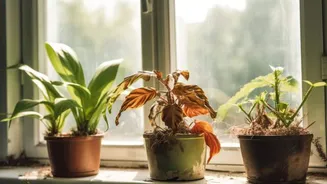
the specific needs of each plant; some luxuriate in direct sunlight streaming through a window, while others flourish in dappled, indirect light. If natural light is scarce, consider incorporating grow lights to supplement. Regularly observe your plant's leaves for signs of too much or too little light, such as scorching or legginess, and make adjustments to its location. This careful calibration of light exposure is paramount for encouraging vigorous and dense leaf development, ensuring your greenery appears full and vibrant.
Mastering Hydration
Consistent yet judicious watering is crucial for a plant's overall health and, consequently, its leaf fullness. Both overwatering and underwatering can lead to plant stress, manifesting as sparse or weak foliage. A reliable method to gauge watering needs is to check the top inch of the soil; if it feels dry to the touch, it's time to water. Furthermore, ensure that the pots you use are equipped with drainage holes. This vital feature prevents water from accumulating at the roots, a condition known as waterlogging, which can suffocate the root system and hinder nutrient absorption, ultimately impacting leaf growth and vitality.
Feeding for Growth
Just like any living organism, plants require essential nutrients to thrive and develop lush leaves. During the active growing season, which typically spans spring and summer, enriching the soil with a balanced fertilizer every four to six weeks can provide these vital elements. Key nutrients like nitrogen, phosphorus, and potassium play significant roles in promoting robust leaf production and enhancing the plant's general vigor. It's imperative to adhere strictly to the dosage instructions on the fertilizer packaging, as over-fertilization can be detrimental, leading to root burn or other toxicities that impede healthy growth and diminish foliage density.
Pruning for Vitality
Regular pruning is not just about aesthetics; it's a strategic practice that stimulates new, fuller growth. By removing any dead, damaged, or yellowing leaves, you redirect the plant's energy resources from maintaining ailing parts to producing fresh, healthy foliage. Utilize clean, sharp scissors or pruning shears for this task to make precise cuts and prevent the spread of diseases. This consistent upkeep encourages the plant to branch out and develop denser clusters of leaves, ensuring that your indoor plants maintain a visually appealing and robust appearance over time.
Elevating Humidity
Many popular indoor plants originate from tropical environments where humidity levels are naturally high. If your home's atmosphere is drier, particularly during winter months or in arid climates, your plants might struggle to produce dense foliage. To counteract this, consider employing a humidifier in the vicinity of your plants. Another effective, low-tech method involves placing a shallow tray filled with water near the plant's base; as the water evaporates, it increases the ambient humidity. Occasional misting can also provide a temporary boost, but be mindful not to overdo it, as excessive moisture on leaf surfaces can sometimes encourage fungal issues.