





Container Choice Matters
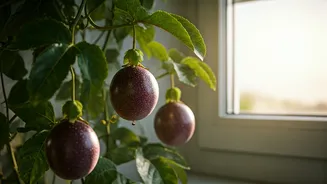
Embarking on your indoor passionfruit journey begins with selecting the perfect vessel for your vine. Opt for a pot that offers ample space, ideally a minimum
of 12 inches in both depth and width, to comfortably house the developing root system. Crucially, the container must feature robust drainage holes to prevent the insidious threat of waterlogged soil, which can quickly lead to root distress and disease. Employing a light, well-draining potting mix will not only benefit the plant's growth but also simplify the task of repositioning your vine as it matures and requires more space or a sunnier spot. This foundational step sets the stage for a healthy and productive plant, ensuring it has the best possible start in its indoor environment.
Bathing in Sunlight
Passionfruit vines are sun-worshippers by nature, demanding generous amounts of light to thrive and produce fruit. For optimal growth indoors, position your plant in a location that receives at least six hours of direct sunshine daily. The ideal spot is typically a south-facing window, offering the most intense and prolonged exposure. However, if your home's natural light is insufficient, particularly during shorter winter days, supplement with artificial light. Employing specialized grow lights can effectively fill the gap, ensuring your passionfruit vine receives the consistent illumination it needs to photosynthesize vigorously and maintain robust health throughout its growth cycle.
Mastering Hydration
Achieving the right balance of moisture is paramount for the well-being of your indoor passionfruit. The key is to water judiciously, only when the uppermost inch of soil feels dry to the touch. This prevents both under-watering, which can stress the plant, and the far more detrimental issue of over-watering. Excessive moisture in the soil creates an environment ripe for root rot, a serious condition that can quickly decimate your vine. After each watering session, make it a point to ensure that all excess water has fully drained from the pot. This diligent practice guarantees that the roots receive adequate hydration without becoming waterlogged, promoting a healthy and resilient plant.
Nourishing for Fruition
To encourage vigorous growth and the eventual development of delicious passionfruit, a consistent feeding regimen is necessary. During the active growing seasons of spring and summer, administer a balanced liquid fertilizer every four weeks. It is crucial to adhere strictly to the dilution and application instructions provided on the fertilizer's packaging to avoid over-fertilizing, which can harm the plant. As autumn approaches and winter sets in, the vine's growth naturally slows down. Consequently, you should cease fertilizing during these cooler months, allowing the plant to enter a period of rest without unnecessary stimulation.
Embracing Humid Climates
Passionfruit vines hail from tropical climes and, as such, flourish in environments that replicate high humidity. To recreate these conditions indoors, several strategies can be employed. Consider placing a humidifier in proximity to your plant to maintain a consistently moist atmosphere. Alternatively, you can regularly mist the foliage and the air around the vine with water, mimicking natural rainfall. Another effective method involves placing the pot on a tray filled with pebbles and water. As the water evaporates from the tray, it increases the ambient humidity around the plant without the risk of directly saturating the soil and potentially causing root issues.