
Coffee Grounds Nourish
Give your plants a natural nutrient boost by repurposing used coffee grounds. These grounds are packed with nitrogen, a vital element for lush plant growth.
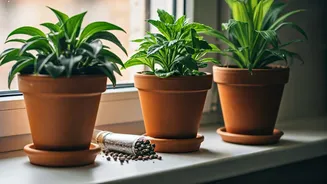
Instead of discarding them, lightly sprinkle a thin layer of dried coffee grounds onto the soil surface of your indoor plants about once a month. This practice not only enriches the soil with essential nutrients but also enhances its structure. The organic matter improves aeration, allowing roots to breathe better, and also aids in drainage, preventing waterlogged conditions that can harm plant roots. This simple step transforms kitchen waste into a valuable resource for your green companions.
Pea Pebbles Create Mist
Many beloved indoor plants thrive in more humid conditions than typically found in our homes. You can easily create a personal humid microclimate for your plants using a simple pebble tray. Take a shallow tray, fill it with a layer of pebbles, and add water until it just covers the stones. Then, place your potted plants on top of the pebbles. As the water slowly evaporates from the tray, it releases moisture into the air, mimicking the humid environments these plants adore. Crucially, the pots sit on the pebbles, not directly in the water, thus avoiding the risk of root rot from overwatering.
Banana Peels Power
Don't toss those banana peels! They are a fantastic, natural source of potassium, a mineral crucial for robust plant health. Potassium plays a key role in various plant functions, including photosynthesis and the efficient absorption of nutrients from the soil. To utilize this benefit, you can chop banana peels into small pieces and gently bury them in the soil around your houseplants. Alternatively, for a liquid fertilizer, soak banana peels in water overnight. Strain the water the next day, and use this potassium-rich concoction to water your plants. This organic method provides a sustained release of nutrients, contributing to stronger, healthier specimens.
Indoor Companion Planting
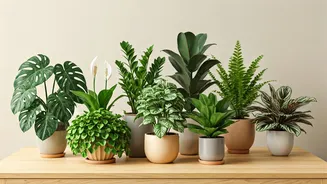
The concept of companion planting, where certain plants benefit each other when grown in proximity, isn't limited to outdoor gardens; it's also highly effective indoors. By strategically pairing compatible plants, you can foster a healthier ecosystem within your home. For instance, placing spider plants alongside peace lilies can help purify the air more effectively and can even deter common household pests naturally. This symbiotic relationship reduces the need for artificial interventions. Explore different plant combinations based on your available space and the specific needs of your plants to create a balanced and thriving indoor garden environment.
Rotate for Uniformity
To ensure your indoor plants develop evenly and maintain an attractive, symmetrical shape, regular rotation is key. Plants often lean towards their light source, leading to uneven growth. By turning each pot slightly every couple of weeks, typically during watering sessions, you ensure that all sides of the plant receive consistent exposure to light. This simple habit is particularly vital for plants positioned near windows or artificial light sources, where one side might receive significantly more illumination than the other. This practice promotes balanced development, preventing lopsided growth and encouraging fuller, more uniform foliage.