





The Dosa Dilemma
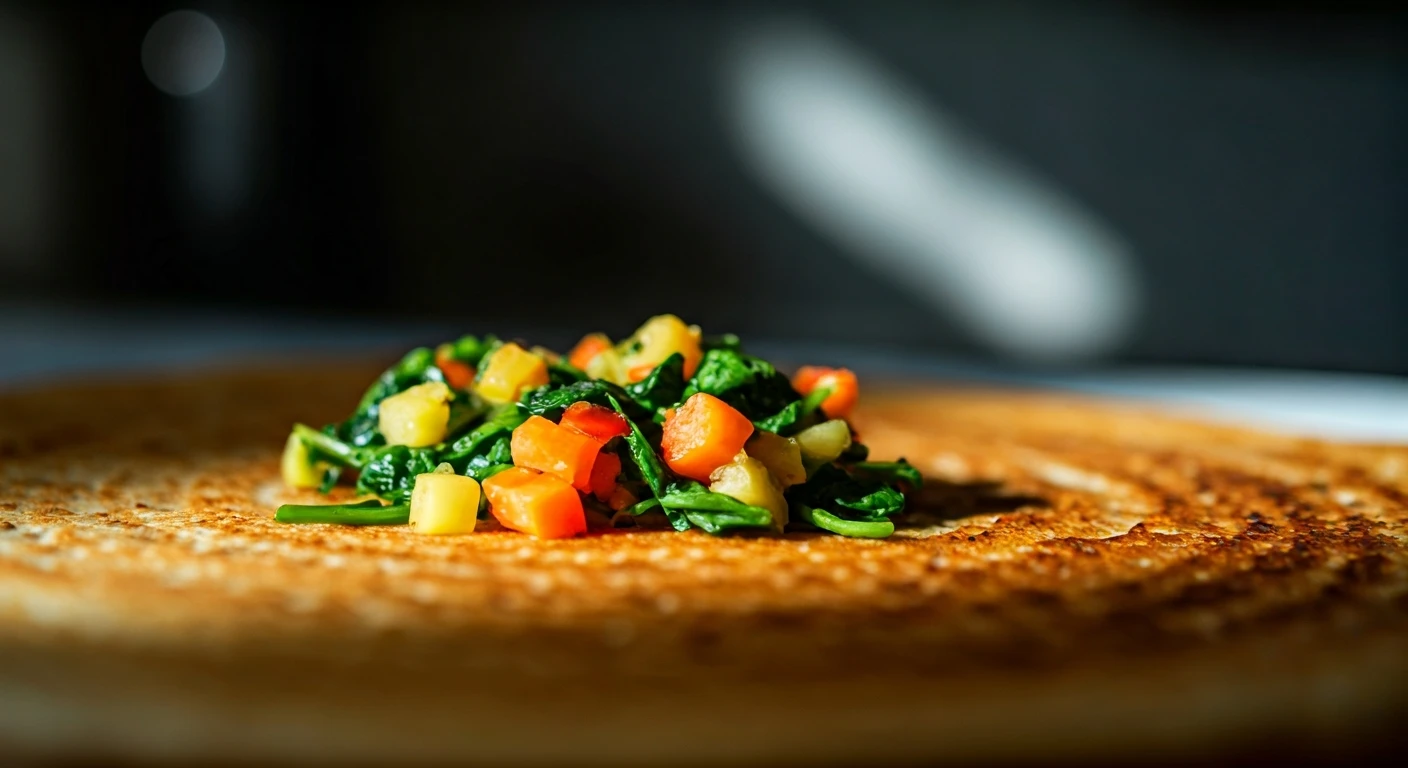
While a beloved breakfast item, the typical dosa, primarily made from rice and lentils, can present a challenge for those striving for weight loss. Its
rapid digestion means it doesn't keep you feeling full for very long, potentially leading to premature hunger pangs and a temptation to snack soon after. This can inadvertently contribute to consuming more calories than intended, a common hurdle in weight management journeys. It's not about demonizing the dosa itself, but understanding its composition and how it impacts satiety. When consumed on its own, it might not provide the sustained energy and fullness needed to power through the morning, making it an incomplete meal for effective weight control.
Transforming Your Meal
The good news is that you don't need to bid farewell to your favorite dosa. Instead, the focus shifts to enhancing its nutritional value. Fitness experts advocate for incorporating protein-rich elements to create a more balanced and satisfying meal. One highly recommended method is to include ingredients like crushed paneer (cottage cheese) either as a filling or a delightful topping. This simple addition significantly boosts the protein content, which is crucial for promoting prolonged feelings of fullness. By doing so, you can effectively curb mid-morning cravings and support your body's fat-burning processes by improving overall meal satiety. The goal is to evolve from a predominantly carbohydrate-based breakfast to a well-rounded meal comprising adequate protein, healthy carbohydrates, and essential fats, thereby embracing dietary staples in a more health-conscious manner.
Beyond Paneer Power
The principle of enhancing traditional Indian breakfast options extends beyond just paneer. Experts emphasize that rather than completely removing popular items like idli or paratha from your diet due to their typically lower protein content, the key lies in mindful augmentation. Consider incorporating other readily available protein sources that can seamlessly integrate into your meals. Options such as adding cooked eggs, a dollop of plain yogurt, or a portion of legumes like sprouts or cooked dals can dramatically elevate the nutritional quality of your breakfast. These additions transform a potentially carb-heavy meal into a more robust and filling one, aligning with modern nutritional advice that prioritizes balanced meals over outright restriction. This approach allows you to continue enjoying cultural favorites while actively supporting your health and weight management objectives through smarter dietary choices.