




Lavender's Fragrant Defense
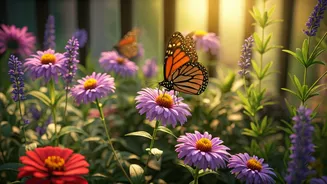
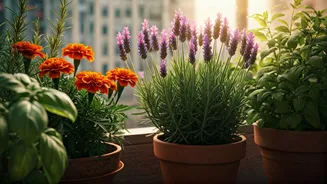
Elevate your urban garden with the enchanting scent and visual appeal of lavender. This aromatic plant is a powerful natural repellent, known to deter
troublesome mosquitoes, bothersome moths, and even some small rodents from your precious plants. Thriving in sunlight and well-draining soil, lavender is an ideal choice for city dwellers with limited gardening space. Its characteristic purple blooms offer a stunning splash of color, making your garden not only pest-free but also a feast for the eyes. Planting lavender is a simple yet effective strategy to maintain a balanced and beautiful garden environment without resorting to harsh chemicals.
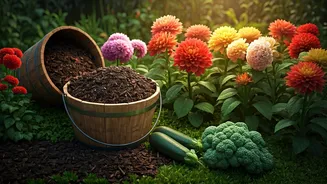
Marigolds: Color & Control
Marigolds are more than just cheerful blossoms; they are a gardener's allies in pest management. Their distinct scent works wonders in repelling microscopic soil dwellers like nematodes and the ubiquitous aphids that plague many plants. Beyond their protective qualities, marigolds also play a vital role in attracting beneficial insects, such as ladybugs, which are natural predators of pests. These flowers are remarkably easy to cultivate, whether you start from seeds or young seedlings, and adapt well to various soil conditions. This makes them a perfect, low-maintenance addition for urban gardeners aiming for a flourishing, bug-free space.
Basil's Aromatic Shield
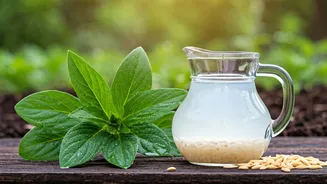
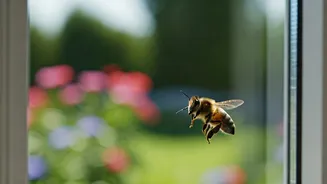
Beyond its culinary indispensability, basil offers significant benefits as a natural pest deterrent. The potent aroma emanating from its leaves acts as a powerful shield against common annoyances like flies and mosquitoes, keeping them away from your garden and outdoor living areas. Furthermore, the fragrant flowers of basil serve as an inviting beacon for vital pollinators, including bees, contributing to a healthy garden ecosystem. This herb flourishes best in consistently warm temperatures and ample sunlight, making it an excellent companion plant for sunny urban garden spots where it can provide both flavor and protection.
Rosemary's Evergreen Barrier
Rosemary, the aromatic herb celebrated for its distinct fragrance, stands as a robust natural defense against a variety of garden pests. Its strong, invigorating scent effectively repels common garden nuisances such as cabbage moths and certain types of beetles, preventing them from damaging your plants. Once established, rosemary is exceptionally drought-tolerant, requiring minimal watering, which is a significant advantage for urban gardens, especially in drier climates. The plant's evergreen foliage provides year-round texture and visual interest, while its leaves offer valuable culinary uses, making it a multi-functional addition to any garden.
Nasturtiums: Edible Beauties
Nasturtiums bring a vibrant splash of color and edible delight to your garden while simultaneously acting as a natural pest deterrent. These striking, often peppery-tasting flowers are attractive to beneficial insects like bees, which are crucial for pollination. Simultaneously, their unique flavor profile actively discourages pests such as aphids and whiteflies. Nasturtiums exhibit remarkable adaptability, growing well even in less-than-ideal soil conditions. This resilience makes them an excellent choice for interplanting in vegetable beds or adding a lively touch to ornamental arrangements, offering continuous blooms with minimal gardener intervention.