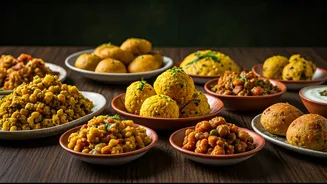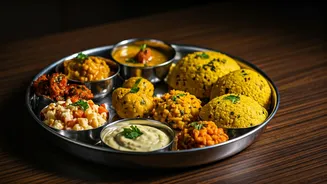

Introduction to Gujarati Cuisine
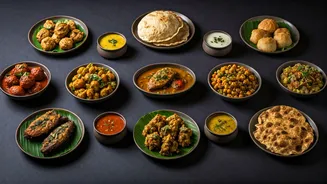
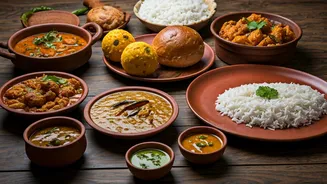
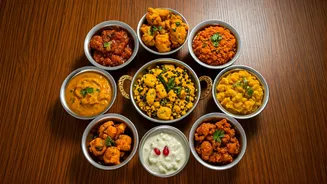
Gujarati cuisine is celebrated for its distinctive blend of sweet, savory, and spicy flavors. Vegetarian-focused, it skillfully uses a variety of spices,
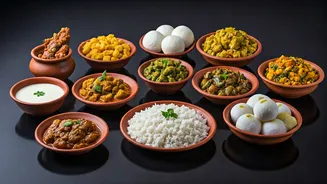
lentils, and vegetables. The dishes often incorporate jaggery and other sweeteners, creating a balanced and flavorful taste. The use of peanuts, sesame seeds, and gram flour (besan) is common, adding richness and depth. Gujarati food also showcases diverse cooking methods, from steaming and frying to grilling and baking, offering a range of textures and tastes. Rice, rotis, and other bread varieties are staples, often paired with an assortment of curries, dals, and vegetable dishes. Its influence extends beyond India, with Gujarati communities around the globe preserving and evolving the cuisine.
Dhokla: The Steamed Delight
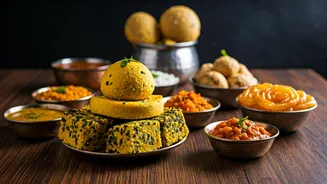
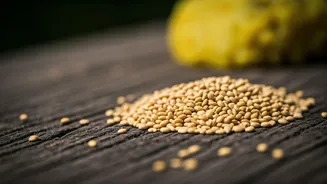
Dhokla, a beloved Gujarati snack, is a steamed cake made from fermented batter of rice and chickpeas (chana dal). This fermentation gives the dhokla a light, fluffy texture and a slightly tangy taste. Typically, the batter is seasoned with green chilies, ginger, and turmeric, adding a spicy kick and vibrant color. The steamed cake is then often tempered with mustard seeds, curry leaves, and sometimes, a sprinkle of asafoetida (hing) in hot oil, which enhances the flavor and adds an aromatic fragrance. Dhokla is usually served with green chutney and tamarind chutney, providing a delightful contrast of flavors and textures. It is a popular breakfast and snack, suitable for any occasion.
Thepla: Flavorful Flatbreads
Thepla is a flavorful, soft flatbread that is a staple in Gujarati cuisine. Prepared with whole wheat flour, spices, and fenugreek leaves (methi), these parathas offer a unique taste and aroma. Often, a blend of spices like turmeric, red chili powder, and coriander is incorporated into the dough, giving the thepla a subtle spiciness. The flatbreads are cooked on a griddle with a touch of oil, ensuring they are cooked evenly and maintain a soft texture. Thepla is a convenient and versatile food, perfect for travel or everyday meals. They can be enjoyed with yogurt, pickles, or vegetable curries, providing a complete and satisfying meal.
Undhiyu: A Seasonal Specialty
Undhiyu is a mixed vegetable dish, prepared using a unique cooking method, often associated with the winter season. The vegetables, including eggplant, potatoes, beans, and various other seasonal produce, are layered in an earthen pot (matlu) and slow-cooked underground or on a low flame. This slow cooking technique allows the flavors of the vegetables and the spices to meld together, creating a rich and flavorful dish. It usually incorporates a special masala made with green chilies, ginger, and garlic, along with a blend of spices. Undhiyu is often served with puri and shrikhand, making it a popular dish during festivals and special occasions.
Khandvi: The Rolled Snack
Khandvi is a savory, thin, rolled snack made from a combination of gram flour (besan) and yogurt. The batter is cooked to a thick consistency and then spread thinly on a surface, allowing it to cool and set. These sheets are then rolled into bite-sized portions and seasoned with mustard seeds, curry leaves, and a sprinkle of grated coconut. The dish is light and flavorful, with a smooth texture that melts in the mouth. It can be garnished with fresh coriander leaves, enhancing its appearance and adding a fresh flavor. Khandvi is a popular snack, often enjoyed with tea or as an appetizer at social gatherings.
Fafda-Jalebi: A Sweet Combo
Fafda-Jalebi is a classic Gujarati breakfast combination, celebrated for its contrasting textures and tastes. Fafda is a savory, crispy snack made from gram flour, seasoned with carom seeds (ajwain), and deep-fried until golden brown. It provides a satisfying crunch and a slightly salty flavor. Jalebi, on the other hand, is a sweet treat made from deep-fried batter, which is soaked in sugar syrup, resulting in a crispy exterior and a soft, juicy interior. The combination of crispy fafda and sweet jalebi creates a perfect balance of flavors, making it a favorite among Gujaratis. This pairing is especially popular during festivals and celebrations.
Dal Dhokli: Comfort Food
Dal Dhokli is a comforting one-pot meal that combines the goodness of lentils (dal) and wheat flour dumplings (dhokli). The dhokli, small pieces of dough, are simmered in a flavorful lentil-based broth, typically seasoned with various spices and herbs. The lentils provide a protein-rich base, while the dhokli adds a chewy texture. The spices enhance the overall taste, with the addition of turmeric, coriander, and other ingredients, creating a balanced and flavorful dish. Dal Dhokli is a wholesome meal, perfect for a hearty dinner or a comforting lunch. It's often garnished with coriander leaves and served hot, with a squeeze of lemon.
Gujarati Kadhi: Tangy Soup
Gujarati Kadhi is a creamy and tangy soup made from buttermilk (chass), gram flour, and a blend of spices. The mixture is cooked until it thickens and the flavors meld together. Spices like ginger, green chilies, and curry leaves are commonly used to add a distinct flavor profile. The Kadhi is often tempered with mustard seeds, cumin seeds, and asafetida (hing), further enhancing the aroma and taste. It's typically served with rice, providing a light and comforting meal. The tanginess of the kadhi, combined with the mild spices, makes it a popular dish across Gujarat.
Basundi: A Sweet Delight
Basundi is a rich and creamy dessert made by simmering milk until it reduces and thickens. During the simmering process, sugar and cardamom are added to enhance the flavor. The slow cooking process allows the milk to develop a caramelized taste, and the addition of nuts like almonds and pistachios adds texture and richness. Basundi is often served chilled, making it a refreshing treat. It's a popular dessert, often enjoyed during festivals and special celebrations, celebrated for its simple ingredients and delicious taste. The creamy texture and sweet flavor make it a perfect end to any Gujarati meal.