






Who Should Reconsider?
The Char Dham Yatra, a deeply spiritual endeavor, involves significant physical exertion due to varying altitudes, extended travel times, and unpredictable
weather conditions, making it a challenging trek for many. Medical experts advise that individuals with pre-existing health concerns such as heart disease, severe asthma, advanced kidney issues, uncontrolled hypertension, or significant arthritis should carefully evaluate their readiness. Those suffering from chronic ailments like cancer, osteoarthritis, emphysema, or COPD, as well as pregnant women in their later trimesters, are generally advised against undertaking this journey. While age is not an absolute barrier, older individuals must undergo thorough medical assessments and ideally have medical assistance accompanying them. Essentially, the pilgrimage is best suited for those in robust health with stable medical conditions, and particularly for those who have not recently undergone surgery. Individuals with uncontrolled diabetes or other long-term illnesses might need to postpone or forgo the trip unless a physician provides a clear clearance. The key takeaway is to ensure your health is stable and managed before embarking on this arduous yet rewarding pilgrimage.
Altitude Risks Explained
The primary health concern during the Char Dham Yatra is undoubtedly the high altitude. Rapid ascent can lead to breathlessness, extreme fatigue, and potentially life-threatening altitude sickness, making meticulous preparation non-negotiable. To mitigate these risks, it's highly recommended to commence physical conditioning at least four to six weeks prior to your departure. Engaging in regular activities like brisk walking, light aerobic exercises, and specific breathing techniques can significantly enhance your stamina and lung capacity. Incorporating more daily steps and practicing walking on inclined surfaces will have a substantial positive impact on your body's ability to cope with the demands of high altitudes. This proactive approach ensures your body is better equipped to handle the thinner air and strenuous nature of the pilgrimage, thereby minimizing the likelihood of experiencing severe altitude-related ailments and enhancing your overall comfort and safety during the journey.
Essential Precautions
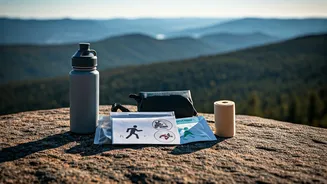
Beyond physical conditioning, several other crucial precautions can ensure a safer and more comfortable Char Dham Yatra. Prioritizing adequate hydration is paramount; maintaining consistent fluid intake throughout the demanding journey helps prevent dehydration and its associated complications, especially at higher altitudes. It is imperative to carry all necessary personal medications, along with a well-stocked first-aid kit that includes basics like pain relievers, anti-nausea medication, antacids, anti-diarrheal drugs, and remedies for coughs and colds. Securing a comprehensive health assessment from your doctor before leaving is a vital step that allows for personalized advice and identification of any potential issues. Remember, this pilgrimage is not just a spiritual event but also a significant physical undertaking. Proper preparation drastically reduces unnecessary challenges, particularly in the higher, more demanding regions of the route. Additionally, integrating yoga and pranayama into your routine can further enhance your physical and mental resilience for the journey.
Pre-Yatra Preparation
To ensure a successful Char Dham pilgrimage in 2026, advance preparation is key. Begin your physical readiness program at least four to six weeks before your intended departure date. Focus on building stamina and core strength through consistent activities like walking, light cardio, breathing exercises, and climbing stairs. Essential lifestyle adjustments include staying well-hydrated, abstaining from smoking and alcohol, and gradually increasing your physical endurance. Incorporating acclimatization days into your travel itinerary is crucial for allowing your body to adjust to the altitude and prevent issues like severe breathlessness. When undertaking the trek itself, it's advisable to pace yourself, take frequent breaks, and carry essential medications and prescriptions. Always be aware of the early symptoms of altitude sickness, such as headaches, dizziness, nausea, or difficulty breathing, and seek immediate medical attention if they arise. Having emergency contact numbers readily available is also a critical safety measure for prompt medical assistance.