




A Pink Migration
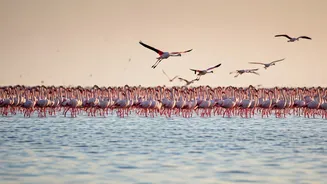
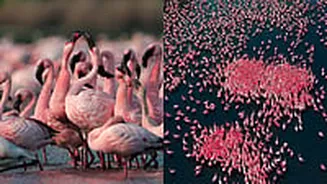
Each year, the wetlands of Mumbai and Navi Mumbai become a canvas for one of nature's most astonishing displays, as immense numbers of migratory flamingos
grace the region. These elegant birds paint the mudflats and creeks in shades of pink, creating a truly magical vista. This particular year has seen massive congregations of these beautiful creatures in the marshy areas near the NRI Complex in Nerul and across various parts of Navi Mumbai. Bird enthusiasts, avid photographers, and nature lovers have been captivated by this seasonal event, with countless striking images and videos circulating widely on social media. Residents and visitors alike have been drawn to these vibrant gatherings, eager to witness the spectacle before the flamingos embark on their journey back. The yearly influx of flamingos into the Mumbai Metropolitan Region is widely recognized as a significant wildlife event, underscoring the critical importance of preserving the city's delicate wetland, mangrove, and coastal ecosystems, in addition to providing an unforgettable visual feast.
Prime Flamingo Viewing
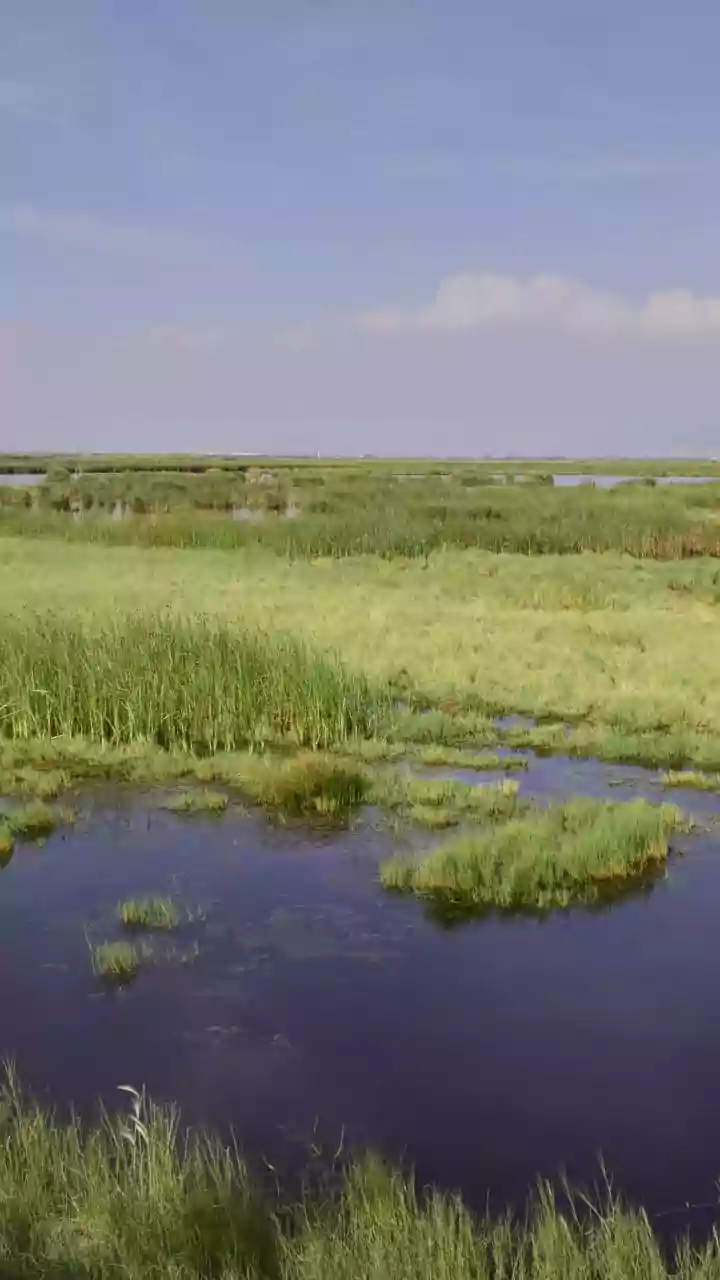
For those eager to catch this magnificent display before the season's close, Navi Mumbai and its surrounding areas offer several prime locations where flamingos gather in large numbers. The Thane Creek Flamingo Sanctuary stands out as a premier destination, renowned for its exceptional flamingo sightings and opportunities for eco-tourism activities during the migration period. Another highly recommended spot for birdwatchers is Karave Flamingo Point, which is favored for its straightforward accessibility and expansive panoramic views of the wetlands. Additionally, TS Chanakya Birding Point has emerged as a significant hotspot, frequently observed with large flocks of flamingos actively feeding amidst the expansive mudflats, offering excellent opportunities for observation and photography.
Capturing the Best Views
Timing your visit is crucial for the most rewarding flamingo encounters. The ideal period generally coincides with high tide, with experts recommending arrival either two hours before or after the peak water level. During these times, as the water recedes, the flamingos tend to move closer to the mudflats to forage, making them more visible. For the clearest sightings and the most favorable photography conditions, early mornings, specifically between 6 AM and 10 AM, are considered optimal. This window offers pleasant weather, softer natural light that enhances the visual appeal of the pink plumage, and generally more active bird behavior across the wetland expanses. Experiencing the flamingos during these hours provides an unparalleled opportunity to witness their grace and beauty in their natural habitat.