





Fruit's Hydrating Power
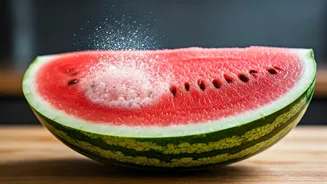
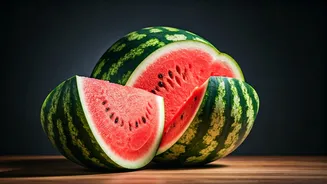
Watermelon, a quintessential summer treat, is celebrated for its incredibly high water content, comprising almost 90% of its composition. This makes it an
excellent choice for staying hydrated during warmer months. Beyond its thirst-quenching properties, it's also a good source of vital nutrients, including vitamin C, vitamin A, and potent antioxidants like lycopene, which contribute to overall well-being. From a health perspective, watermelon is inherently safe when it's fresh and handled with care. It possesses no inherent toxins. The primary safety concerns typically arise not from the fruit itself, but from how it's treated after it's harvested and cut, particularly concerning hygiene and storage conditions that can foster bacterial growth in its moist environment.
Safe Handling Practices
The vulnerability of watermelon increases significantly once it's cut. Its abundant moisture creates a prime breeding ground for bacteria, especially in elevated temperatures. Leaving cut watermelon at room temperature for extended periods, or mishandling it with unhygienic practices, can lead to rapid spoilage. Therefore, issues linked to watermelon consumption are generally attributable to external factors such as improper exposure, inadequate storage, and poor cleanliness, rather than intrinsic flaws in the fruit. Implementing straightforward precautions can dramatically enhance its safety. Prioritize purchasing whole fruits over pre-cut options. Always wash the exterior of the fruit before slicing, even though the rind isn't consumed. Employ clean utensils and cutting boards. Ensure cut watermelon isn't left unrefrigerated for more than an hour or two, and even less time in hot weather. For optimal quality and safety, consume cut watermelon within 24 hours. Steer clear of buying cut fruit sold openly, especially by roadside vendors.
Selecting The Best
Choosing a high-quality watermelon is a crucial step in ensuring a pleasant and safe experience. Look for a fruit that exhibits a creamy yellow patch on its surface; this distinct marking signifies that the melon ripened naturally under the sun. A good watermelon should also feel substantial and heavy for its size, indicating good hydration. Gently tapping the fruit should produce a deep, hollow sound, which is a common indicator of ripeness. It's advisable to avoid watermelons that show signs of damage, such as cracks, soft patches, or any form of physical injury. Opt for fruits with a uniform and symmetrical shape. Upon cutting, the flesh should present a naturally pink to deep red hue, avoiding appearances that are excessively vibrant or have a mushy texture, which could suggest unnatural treatments or overripening.
Myth Busting Session
Several misconceptions circulate regarding watermelon consumption. One prevalent myth suggests that consuming watermelon with milk is harmful; however, there is no scientific evidence to support this claim. While a few individuals might experience mild digestive discomfort, it's not a widespread issue. Another untrue notion is that eating watermelon at night is unsafe. This is inaccurate; its high water content might simply lead to more frequent urination during the night. The idea that a bright red watermelon signifies chemical treatment is also often misleading. Many watermelon varieties naturally possess a deep red color due to high lycopene content. While watermelon can spoil, it doesn't inherently cause food poisoning; the risk stems from poor hygiene and storage. Finally, the belief that watermelon seeds are harmful is false. The seeds are safe to consume and even offer nutritional benefits.
Personal Hesitations Explained
The fear surrounding watermelon consumption has been exacerbated by recent tragic events. For some individuals, like Mumbai resident Ria Jain, personal experiences have fostered a distinct hesitation. She notes recurring instances where her child fell ill with stomach issues or mild fever shortly after eating watermelon, creating a strong association between the fruit and discomfort. These consistent patterns prompted significant caution. Ria herself has experienced digestive unease, such as bloating, particularly when consuming watermelon on an empty stomach, contrary to the expectation of refreshment. Beyond personal observations, broader concerns about food quality contribute to this reluctance. Discussions about potential artificial coloring, chemical ripening agents, or pesticide use in fruits, while not always proven, raise fears of triggering allergies or sensitivities, leading to increased vigilance in dietary choices. This cumulative effect of personal health incidents and general food safety worries has resulted in a more careful and selective approach to including watermelon in her diet, even while acknowledging its general health benefits.