






Picking Prime Stalks
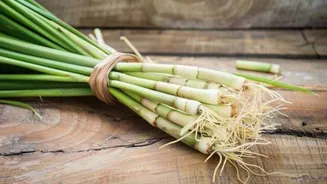
When embarking on your lemongrass regrowing journey, the initial step involves carefully selecting the right base material. Opt for stalks that feel firm
to the touch and showcase a vibrant, healthy green hue. Any signs of wilting, discoloration, or softness should be a red flag, as these less-than-ideal specimens are less likely to initiate successful new growth. Once you've identified suitable candidates, take a sharp knife and trim the bottom portion of each stalk, leaving approximately one inch of the base intact. This clean cut at the base is crucial as it encourages the development of new roots when the stalk is placed in water, setting the stage for future flourishing.
Watering Station Setup
The next critical phase in nurturing your new lemongrass plants involves preparing their aquatic home. Select a container, such as a clean glass jar or a slim vase, that is deep enough to submerge the trimmed bases of your chosen stalks. Hygiene is paramount here; ensure the container is thoroughly washed to prevent the introduction of any unwanted bacteria that could hinder root development or even cause rot. Fill the vessel with fresh water, ensuring that at least an inch of the bottom of each lemongrass stalk is completely immersed. This initial water level provides the essential hydration for root formation.
Lemongrass in Water
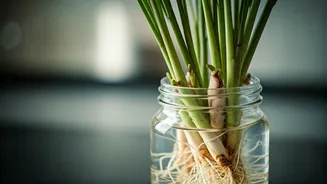
With your prepared stalks and water-filled container ready, it's time to bring them together. Gently place the trimmed lemongrass bases upright into the water, ensuring they stand as straight as possible. Avoid letting them lean excessively, as this can create areas where water collects and potentially leads to decay before roots have a chance to form. Position the container in a location that receives ample indirect sunlight. Direct sun exposure can be too intense for the delicate emerging shoots and might scorch them. A warm spot with gentle, diffused light is ideal for promoting steady, healthy initial growth.
Fresh Water Routine
Maintaining the water's quality is a non-negotiable aspect of encouraging robust root development and preventing issues. Make it a habit to change the water in the container every two days, or whenever you notice it becoming cloudy. This regular water exchange is vital for several reasons: it removes any accumulated bacteria that could harm the developing roots and ensures that the roots receive an adequate supply of oxygen, which is essential for their growth. As you diligently follow this routine, you'll soon observe new roots emerging from the submerged ends of the stalks, growing longer and more substantial over time, preparing them for further development.
Soil Transplant Option
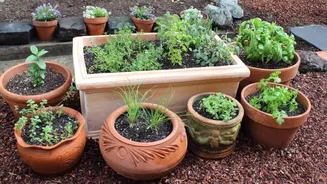
Once your regrown lemongrass has developed a promising root system, typically reaching about two inches in length, you have the option to transition it from water to soil. For this step, prepare pots with well-draining soil, or if you have the space and climate, you can plant them directly outdoors. This method allows the plant to mature further and become a permanent fixture. However, if you find you prefer the simplicity of hydroponic growing, you can continue nurturing your lemongrass in water indefinitely. Simply maintain the consistent schedule of changing the water, and your plants will continue to thrive without ever needing to be transplanted into soil.