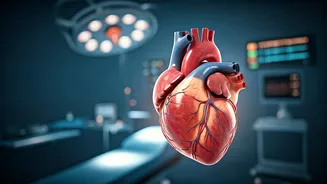








The Growing Heart Crisis
Heart failure, once a silent but growing concern, has become a significant health burden in India. This escalating issue is largely fueled by the increasing
prevalence of lifestyle-related conditions such as hypertension, diabetes, and obesity, often compounded by delayed diagnoses of underlying heart conditions. For many years, patients grappling with advanced heart failure faced grim prospects due to a critical scarcity of donor organs and extensive waiting periods for a suitable match. This predicament often meant that by the time a transplant was even a possibility, the condition had progressed to an irreversible stage, leaving few viable treatment options. The journey was arduous, marked by profound physical limitations and a diminishing hope for recovery, underscoring the urgent need for more effective interventions.
Transplant Hope Arises
Fortunately, the landscape of cardiac care in India is experiencing a dramatic shift, thanks to remarkable advancements in heart transplant methodologies. What was once considered an extreme measure for a select few is now emerging as a beacon of hope, offering a genuine second lease on life to individuals battling end-stage heart failure. Evidence of this progress is clearly reflected in data from the National Organ and Tissue Transplant Organization (NOTTO), which indicates a consistent year-on-year increase in heart transplant procedures. In 2024 alone, 253 transplants were successfully performed, a testament to improved public awareness regarding organ donation, enhanced collaboration among medical institutions, and the strengthening of national transplant networks. These developments are collectively paving the way for more patients to access this life-saving intervention, transforming what was once an untreatable condition into a viable pathway to recovery and a return to active living.
When Transplants Become Vital
A heart transplant is fundamentally a life-saving intervention for individuals whose hearts can no longer adequately support the body's essential functions, even with the best available medical treatments. This complex procedure becomes a necessary consideration when the heart's pumping efficiency is severely compromised, leading to end-stage heart failure. At this critical juncture, conventional medications and existing technological aids fall short in delivering sufficient oxygenated blood to vital organs. Patients often experience debilitating symptoms such as extreme shortness of breath, uncomfortable fluid accumulation, profound fatigue, and recurrent hospital admissions, rendering even basic daily activities like walking or resting in a flat position a monumental effort. As the circulatory system continues to deteriorate, the strain can lead to failure in other crucial organs like the kidneys and liver, making a donor heart transplant the sole remaining option to restore normal blood flow and prevent further systemic decline.
Transforming Lives Post-Op
Undergoing a heart transplant transcends mere surgical organ replacement; it signifies a comprehensive restoration of life for individuals previously crippled by end-stage heart failure. The benefits are profound and far-reaching. Firstly, it normalizes cardiac functioning, ensuring effective blood circulation that alleviates weakness and fatigue, thereby enabling patients to manage daily tasks with renewed vigor. Secondly, it significantly enhances survival rates, offering superior long-term outcomes compared to other medical management strategies for advanced heart failure. Furthermore, it dramatically improves the quality of life, empowering patients to regain independence and participate in social activities, travel, and hobbies. The procedure also prevents the cycle of frequent hospitalizations that often plague advanced heart failure patients due to complications like infections or organ dysfunction. Crucially, it safeguards other vital organs, reversing damage to the kidneys, liver, and lungs caused by prolonged poor circulation. Ultimately, a successful transplant allows individuals to return to their roles and responsibilities, fostering emotional well-being and enabling them to resume fulfilling lives.