




Mastering the Stove
Elevate your cooking efficiency by adopting a few key practices that significantly cut down LPG usage. Utilizing a pressure cooker is paramount, as it
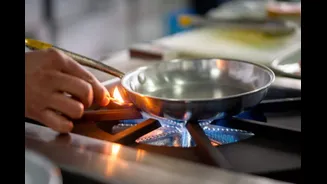
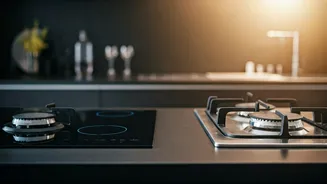
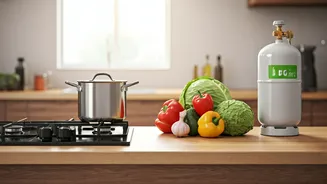
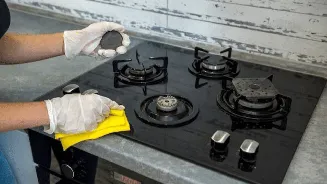
dramatically shortens cooking times for staples like lentils, beans, and even tougher meats, directly translating to less gas consumed. Pre-soaking grains and legumes before they hit the heat softens them, thereby reducing the duration they require on the stove. Furthermore, always keep a lid firmly on your pots; this simple act traps heat effectively, accelerating the cooking process and minimizing heat loss. Opting for medium or low flames, rather than unnecessarily high ones, ensures efficient heat distribution and conserves gas. Planning and executing batch cooking, preparing larger meal quantities at once, reduces the need for repeated heating. You can also leverage residual heat by turning off the stove a few minutes before your dish is fully cooked, allowing the lingering warmth to complete the process. Ensuring your stove burners are clean and free from blockages is crucial for optimal flame distribution and preventing fuel wastage. Lastly, using flat-bottomed cookware that perfectly matches your burner size guarantees maximum heat transfer, preventing any energy from escaping unproductively. These combined techniques form the bedrock of thrifty cooking, ensuring every drop of LPG counts.
Savvy Kitchen Gadgets
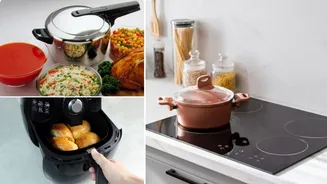
Beyond cooking techniques, a selection of innovative gadgets can further enhance your LPG savings and overall kitchen efficiency. Induction cooktops, while an initial investment, offer a highly energy-efficient alternative, leveraging electricity to heat cookware directly with remarkable speed and precision, making them ideal for daily cooking needs. Electric pressure cookers combine the speed of pressure cooking with electrical power, often featuring programmable settings for versatile meal preparation. For regions blessed with ample sunshine, solar cookers present an environmentally friendly and cost-free method for cooking, harnessing solar energy to prepare meals. Biogas setups, transforming kitchen waste into cooking gas through a digester, offer a sustainable and economical solution. Air fryers and microwaves are also valuable assets, enabling quick reheating, defrosting, and even mimicking frying with significantly less energy compared to traditional LPG methods. These appliances not only reduce your reliance on LPG cylinders but also offer convenience and specialized cooking functionalities, contributing to a more sustainable and budget-friendly kitchen environment.
Strategic Meal Management
Beyond individual cooking techniques and appliances, a strategic approach to meal planning and preparation can yield substantial savings on LPG consumption. Proactive meal planning is essential, allowing you to organize your cooking schedule efficiently and avoid last-minute rushes that might lead to unnecessary gas usage. By anticipating your week's meals, you can consolidate cooking tasks, perhaps preparing components for multiple dishes in a single cooking session. This approach minimizes the number of times you need to ignite the stove. Consider the possibility of community cooking, where households or neighbors collaborate on meal preparation. Sharing cooking responsibilities or utilizing shared cooking resources can lead to significant collective savings in LPG consumption. Furthermore, explore alternative cooking methods for specific tasks. For instance, using an electric kettle for boiling water or a microwave for reheating leftovers can entirely bypass the need for LPG for these common kitchen activities. This careful orchestration of your cooking activities, from planning to execution, ensures that your LPG cylinder lasts longer, providing financial relief and contributing to a more resilient household economy.