






The Dandi March Legacy
Ninety-six years ago, on March 12, 1930, a pivotal moment in India's fight for independence unfolded with the Dandi March. Led by Mahatma Gandhi, this
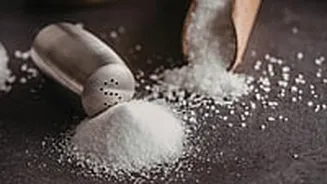
24-day non-violent Satyagraha was a powerful act of civil disobedience against the British government's oppressive salt laws, which imposed a monopoly on this essential commodity. Millions of Indians participated, boycotting foreign goods and refusing to pay taxes, galvanizing the nation towards freedom. The march culminated in Dandi, symbolizing the dawn of widespread movements challenging British rule and highlighting the deep-rooted significance of salt in Indian history and everyday life.
Ayurvedic Salt Benefits
While the Dandi March stands as a testament to salt's historical importance, its impact on our well-being is equally profound, particularly from an Ayurvedic perspective. Salt, in its right form and quantity, possesses a grounding, heavy quality that effectively balances Vata Dosha, alleviating its associated symptoms like dryness, muscle spasms, and constipation. It plays a crucial role in enhancing nutrient and water absorption, stimulating digestive enzymes, and increasing salivation, all of which contribute to more efficient food breakdown and a reduction in bodily toxins. This ancient wisdom underscores salt's role not just as a flavour enhancer, but as a vital component for internal balance and health.
Diverse Salt Varieties
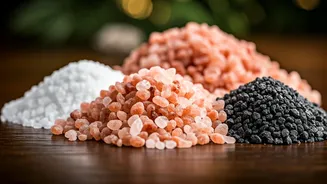
Different types of salt offer unique benefits catering to specific needs. Sea salt, commonly used for enhancing flavors in dishes ranging from vegetables to desserts, also serves as an excellent exfoliant for skin brightening and can relax muscles when added to bathwater. Iodised salt is crucial for maintaining thyroid health, regulating blood pressure, and optimizing metabolism and heart rate, while also supporting cognitive functions and preventing iodine deficiency disorders like goitre. Black salt, or kala namak, aids digestion by promoting bile production, which helps manage bloating and gas, and can also alleviate acid reflux. Its mineral-rich, lower sodium content makes it beneficial for blood pressure and heart health. Natural, less-processed rock salt is celebrated for its nutrient absorption capabilities, containing vital minerals like calcium, magnesium, and potassium. It aids digestion, combats bloating and constipation, replenishes electrolytes to prevent dehydration, and can soothe sore throats by reducing inflammation. It also serves as a natural skin scrub and an irritant reliever in baths.
Mindful Salt Consumption
To harness the benefits of salt while avoiding adverse effects, mindful consumption is key. Incorporating salt during the cooking process, especially sautéed in ghee or oil with spices, aids in digestion. Conversely, excessive intake can lead to issues like intense thirst, burning sensations, acidity, and digestive problems. It can also exacerbate blood pressure and bleeding conditions, weaken muscles, cause skin sagging, damage teeth, and negatively impact reproductive health. Therefore, maintaining salt intake at required or lower levels is advisable. From an Ayurvedic standpoint, individuals with Vata Dosha should consume salt moderately, while those with Kapha Dosha should reduce intake to prevent water retention and weight gain. Pitta Dosha also benefits from lower salt consumption to avoid intensifying skin or blood-related ailments. Balancing salt usage according to these principles ensures optimal health.