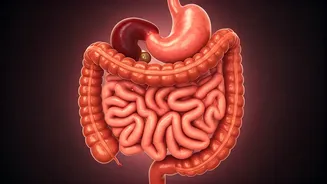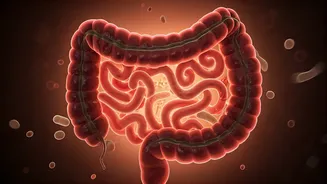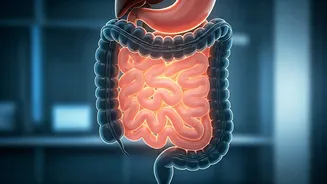







The Gut's Central Role
In the realm of health, the stomach is often considered the foundational element. Ayurvedic teachings emphasize that a healthy digestive system is crucial,
as it's the primary site where waste accumulates. When the body fails to eliminate waste efficiently, it can lead to a buildup of toxins that negatively impact overall health. This process is closely linked to the balance of microorganisms within the gut. Beneficial bacteria are essential for smooth digestion and maintaining bodily functions. Conversely, an overgrowth of harmful bacteria can suppress the growth of these beneficial microbes, disrupting the delicate internal ecosystem. Therefore, proper and regular bowel movements are vital for preventing the onset of various ailments. An imbalance in these gut microbes can stem from various factors, including poor dietary habits, elevated stress levels, digestive disturbances like bloating, experiencing food allergies or poisoning, and episodes of diarrhea. Furthermore, inflammation resulting from infections and the suppression of natural bodily urges, such as passing gas or the need to defecate, can also contribute to gut damage.
Ayurvedic Doshas and Digestion
Ayurveda posits that stomach ailments often arise from a decline in digestive fire, referred to as 'Agni,' leading to the formation of ama, or undigested toxins. Each of the three primary Ayurvedic energies, or Doshas, plays a distinct role in digestive health. An imbalance in Vata Dosha is typically associated with issues like bloating and constipation, where the gut may feel distended or movement is sluggish. When Kapha Dosha becomes aggravated, it can manifest as a sensation of heaviness in the stomach, making one feel sluggish and full. Conversely, an excess of Pitta Dosha can trigger acidity and inflammation within the digestive tract, leading to burning sensations or discomfort. Ayurveda also recognizes that specific food combinations, when consumed together, can disrupt digestive stability and lead to instability in the gut. To address these issues holistically, Ayurveda offers a range of solutions designed to tackle the root causes of digestive distress, promoting long-term well-being rather than just symptom management.
Mindful Eating Habits
Cultivating mindful eating habits is a cornerstone of improving digestion, according to Ayurvedic principles. It's recommended to consume meals in a serene and focused environment, free from distractions, allowing your body to fully engage with the process of nourishment. Aligning your largest meal with midday is also advised, as this is when your digestive fires are believed to be at their peak strength, facilitating optimal breakdown and absorption of food. Each mouthful should be chewed thoroughly, breaking down food into smaller, more manageable particles that are easier for the stomach to process. Allowing a brief pause between bites can further aid digestion. Sipping on warm water during or after a meal can also gently stimulate digestive processes. Establishing a consistent mealtime routine helps regulate the digestive system, ensuring it functions efficiently, much like a well-maintained machine. Engaging in a short, leisurely walk before eating can help ignite digestive fires, while a gentle stroll after a meal can support the digestive process as food moves through the system.
Herbal Allies for Gut Health
Nature offers a potent arsenal of herbs and spices that can significantly support digestive health. Ginger, with its warming properties, is renowned for its ability to invigorate digestive fires, promoting efficient food breakdown. Chewing on fennel seeds after a meal can provide soothing relief to the digestive tract and is particularly effective in alleviating bloating and discomfort. Ajwain, also known as carom seeds, is a potent remedy for gas and stomach aches, offering quick relief from common digestive upset. For a more comprehensive gut cleanse, Triphala, a traditional Ayurvedic formulation, is highly valued for its detoxifying and purifying effects on the digestive system, helping to remove accumulated toxins and restore balance. Incorporating these natural aids into your daily routine can offer substantial benefits for overall digestive function and comfort, making them valuable additions to a holistic approach to gut care.