






Hydration is Key
During the sweltering summer months, maintaining adequate hydration is paramount for overall well-being, but the source of your fluids is just as crucial.
Prioritize drinking filtered or properly boiled water throughout the day to ensure it's safe. Steer clear of beverages prepared under questionable sanitary conditions, particularly those vended in open-air settings. Consuming clean and untainted liquids not only helps regulate your body's internal processes but also significantly reduces the likelihood of encountering digestive distress caused by contaminated drinks. This mindful approach to fluid intake is a cornerstone of preventing stomach infections during summer.
Fresh Food Focus
The elevated temperatures of summer create an ideal incubator for harmful bacteria to flourish in food, especially when it sits exposed for extended periods. To circumvent this risk, actively choose meals that have been freshly prepared, ideally in your own kitchen. This contrasts sharply with consuming food that has been left out for a considerable duration. Should you have leftovers, it is imperative to refrigerate them promptly, ideally within two hours of preparation. Consuming these stored items within a day further enhances their safety. Prioritizing home-cooked, fresh meals is a robust defense against foodborne pathogens.
Clean Produce Power
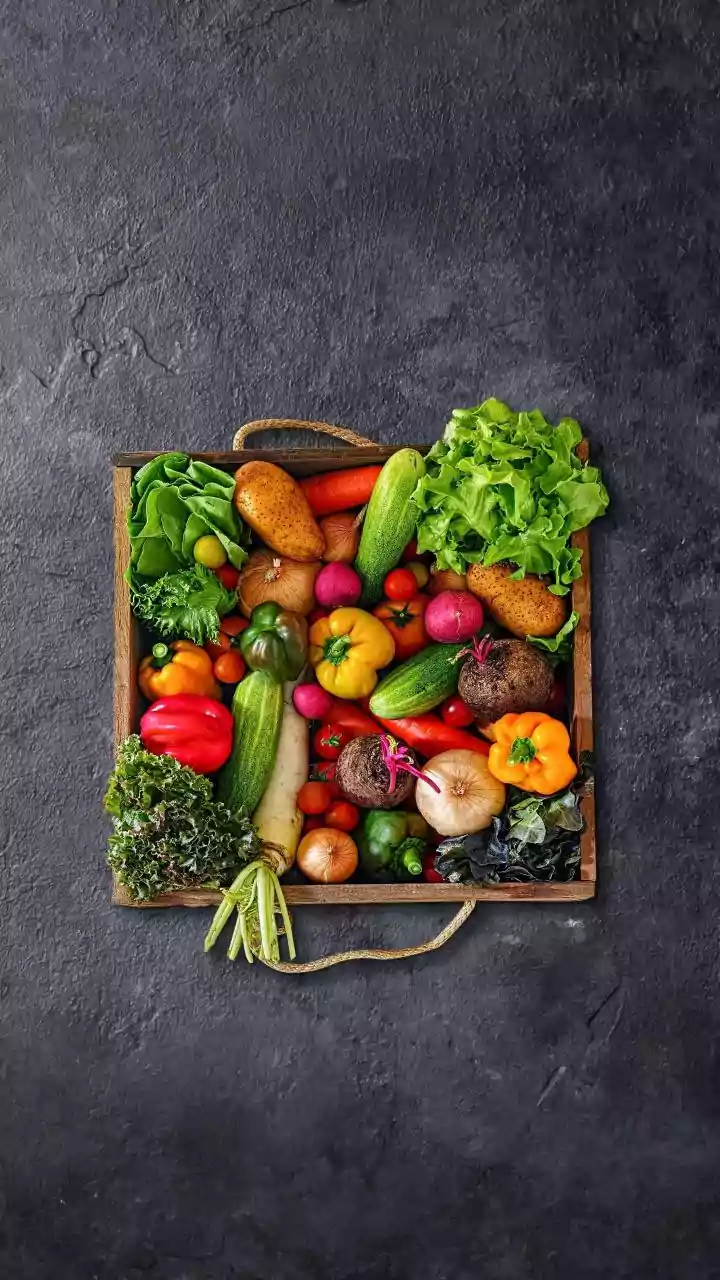
Fruits and vegetables, while vital for a healthy diet, can harbor invisible pathogens if not meticulously cleaned before consumption. Before you eat or cook any produce, it’s essential to rinse it thoroughly under a stream of running water. For an added layer of protection, especially during the summer season when bacterial growth is accelerated, consider briefly soaking these items in a saline solution or a mild vinegar mixture. This additional step helps to dislodge and neutralize any harmful microorganisms that may be present on the surface, ensuring your fruits and vegetables are safe to enjoy.
Dairy and Meat Diligence
Perishable items like dairy products and raw meat are particularly susceptible to rapid spoilage in warm weather. It is vital to meticulously check the expiration dates on these products before purchase and ensure they are stored at the recommended temperature in your refrigerator. Furthermore, always exercise caution when preparing and consuming meat and eggs. Incomplete cooking significantly heightens the risk of contracting stomach infections, as cooking to the appropriate internal temperature is crucial for eliminating harmful bacteria. Vigilance with these items is non-negotiable for summer food safety.
Hygiene is Paramount
One of the most straightforward yet profoundly effective measures to prevent the transmission of germs and prevent food poisoning is maintaining impeccable hand hygiene. Make it a consistent habit to wash your hands thoroughly with soap and water before every meal and whenever you are handling food. When you are away from a sink, such as during travel or outdoor dining, carrying a hand sanitiser is a practical alternative to maintain cleanliness and reduce exposure to potentially harmful bacteria. This simple practice acts as a powerful barrier against numerous infections.