
Introduction to Gujarati Food
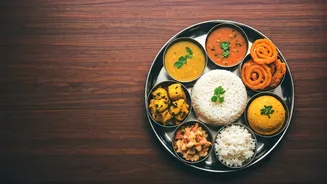
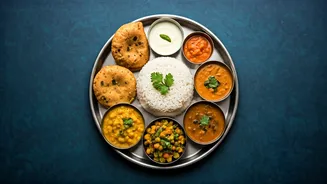
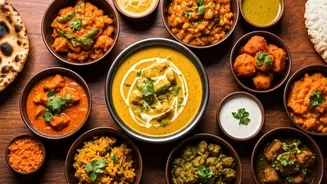
Gujarati cuisine is renowned for its delightful blend of sweet, sour, and spicy flavors. It skillfully uses a variety of vegetables, lentils, and grains,
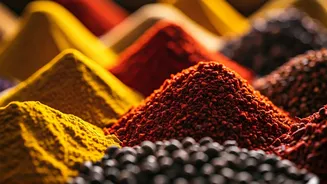
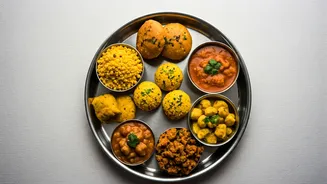
making each dish a balanced nutritional powerhouse. Many recipes incorporate unique cooking techniques and locally sourced ingredients, showcasing a rich culinary heritage. The use of aromatic spices, such as turmeric, cumin, and coriander, not only enhances the taste but also provides numerous health benefits. Furthermore, the cuisine typically avoids excessive oil and focuses on methods like steaming, baking, and grilling to retain the natural goodness of ingredients. This approach makes Gujarati food a great choice for those seeking a healthy and flavorful diet, offering a wide array of options that satisfy both taste and nutritional needs. Understanding these principles sets the stage for appreciating the delicious dishes we will explore further.
Dhokla: The Steamed Delight
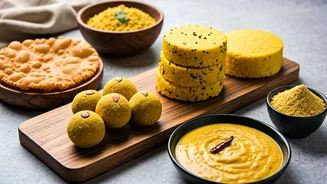
Dhokla, a beloved Gujarati snack, is a steamed cake typically made from fermented batter of rice and chickpeas. This fermentation process boosts the nutritional value of the dish, making it easier to digest and increasing the availability of essential nutrients. Dhokla is light, fluffy, and seasoned with mustard seeds, green chilies, and a touch of asafoetida. It's often served with a sweet and tangy chutney, creating a perfect balance of flavors. Since it is steamed, Dhokla is a low-fat option, making it a healthy alternative to fried snacks. The chickpeas contribute a good source of protein and fiber, promoting satiety and aiding digestion. Preparing dhokla involves soaking the lentils and rice overnight, grinding them into a smooth batter, and then allowing them to ferment. The batter is steamed until it is light and airy. The tempering of mustard seeds, chilies, and curry leaves adds a fragrant and flavorful finish to the dish. Enjoy this delicious snack guilt-free!
Undhiyu: A Winter Warmer
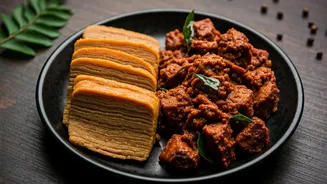
Undhiyu, a mixed vegetable casserole, is a seasonal specialty, traditionally enjoyed during winter months. This dish features a combination of seasonal vegetables like eggplant, potatoes, beans, and green peas, slow-cooked in a unique earthen pot called an 'undhu.' The vegetables are cooked underground, infused with a blend of aromatic spices, herbs, and green garlic, which imparts a distinctive smoky flavor. The slow cooking process enhances the flavors and retains the nutrients of the vegetables. Undhiyu often includes muthias, small dumplings made from besan and spices, adding texture and taste. This dish is rich in fiber and vitamins, as it is packed with various vegetables. Its preparation involves marinating the vegetables with spices, layering them in the pot, and slow-cooking them with oil and water to allow the flavors to meld perfectly. The result is a heartwarming dish that is both delicious and nutritious.
Thepla: A Flatbread Favorite
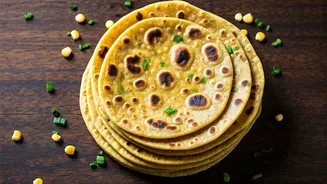
Thepla, a thin and flavorful flatbread, is a staple in Gujarati households. It is typically made from whole wheat flour, mixed with spices like turmeric, chili powder, and fenugreek leaves, and sometimes with yogurt or vegetables. The addition of methi (fenugreek) leaves gives the thepla its signature taste and aroma. Theplas are usually cooked with a little oil or ghee, making them a relatively light and healthy choice. They are versatile and can be enjoyed for breakfast, lunch, or dinner, often paired with yogurt, pickles, or vegetables. The whole wheat flour provides fiber and essential nutrients, contributing to a feeling of fullness. The preparation of thepla involves kneading the dough, rolling it out thinly, and cooking it on a hot griddle until it is lightly browned on both sides. Thepla's simple yet delicious flavor profile makes it a beloved part of Gujarati cuisine, perfect for a quick meal or a picnic.
Khandvi: The Rolled Delight
Khandvi is a savory, bite-sized snack made from a combination of gram flour (besan) and yogurt. The batter is cooked to a thick consistency and then spread thinly on a surface, rolled into small, tight rolls, and finally tempered with mustard seeds and curry leaves. Khandvi's delicate texture and subtle flavor make it a delightful treat. It is a low-calorie snack, making it a healthy option for those watching their weight. The gram flour provides protein and fiber, contributing to a balanced diet. The preparation of Khandvi involves carefully cooking the besan and yogurt batter, ensuring it doesn't get lumpy, before spreading it on a flat surface. Once cooled, it's rolled into bite-sized portions. The final tempering with mustard seeds, curry leaves, and sometimes sesame seeds adds a fragrant finishing touch. Khandvi is a perfect example of how deliciousness and healthiness can coexist in the same dish.
Dal Dhokli: A One-Pot Wonder
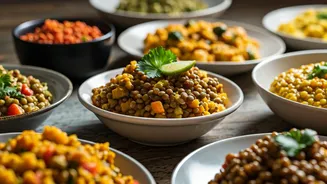
Dal Dhokli is a wholesome, one-pot meal that combines the goodness of lentils (dal) and wheat flour dumplings (dhokli). It is a complete meal, providing protein, carbohydrates, and fiber. The lentils, typically toor dal (split pigeon peas), are simmered with spices like turmeric, asafoetida, and chilies. The dhokli, small pieces of dough, are added to the simmering dal, where they cook and absorb the flavors. This dish is hearty and comforting, often enjoyed as a main course. The dal provides protein and essential nutrients, while the dhokli contributes fiber and carbohydrates. Preparing Dal Dhokli involves preparing the dal with spices, then adding the dhokli to cook until they become soft and tender. The addition of fresh coriander and a final tempering of mustard seeds and chilies enhances the flavor. It is a fulfilling and balanced meal that is easy to prepare.
Surti Locho: A Steamed Snack
Surti Locho is a unique steamed snack originating from Surat. It's made from a fermented batter of chana dal (split chickpeas) and urad dal (black lentils). The batter is steamed until it forms a soft, spongy texture. Locho is typically served with a generous amount of sev (thin chickpea flour noodles), onions, and a variety of chutneys. It has a slightly tangy taste due to the fermentation process, which also boosts the digestibility of the dish. This snack is relatively low in oil, making it a healthier choice compared to fried snacks. The lentils provide protein and fiber. Preparing Surti Locho involves soaking and grinding the lentils to create a batter, allowing it to ferment, and then steaming it. The garnishing of sev, onions, and chutneys adds a delightful contrast in textures and flavors. It is a unique and flavorful snack that is perfect as a quick, satisfying treat.
Handvo: The Savory Cake
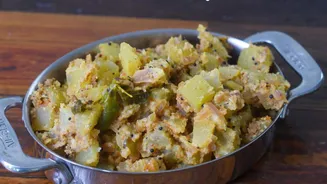
Handvo is a savory cake made from a mixture of lentils, vegetables, and grains. The batter typically includes rice, chana dal, and various vegetables like bottle gourd, carrots, and peas. The batter is seasoned with spices and then baked or pan-fried until golden brown. It is a versatile dish, perfect for breakfast, lunch, or a snack. Handvo is rich in fiber and nutrients due to the mix of lentils and vegetables, making it a nutritious option. It can be made in different variations, with some recipes adding tempering of mustard seeds and sesame seeds. The preparation involves soaking and grinding the lentils and rice, mixing in the vegetables and spices, and then baking it or pan-frying it. The cooking process creates a crispy exterior and a soft, flavorful interior. Handvo is a delightful, balanced meal showcasing Gujarati culinary creativity.
Fafda-Jalebi: The Sweet Combo
Fafda-Jalebi is a popular Gujarati pairing that offers a delightful balance of savory and sweet flavors. Fafda is a crispy, deep-fried snack made from gram flour, seasoned with spices. It's typically eaten with a tangy chutney and is a common breakfast item. Jalebi is a sweet, spiral-shaped dessert made from a fermented batter, deep-fried, and soaked in sugar syrup. While it may seem indulgent, enjoying this combination in moderation can be part of a balanced diet. The gram flour used in Fafda provides protein and fiber, and the jalebi's sweetness offers an energy boost. Preparing fafda involves mixing gram flour with spices and deep-frying it until crisp, while jalebi involves fermenting batter, frying it, and soaking it in sugar syrup. This combination of flavors and textures is a beloved Gujarati treat.