


Soaking for Superior Texture
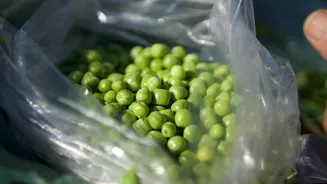
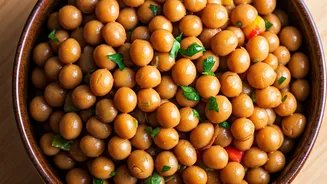
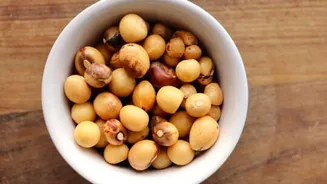
Achieving the perfect texture for Nigerian cowpeas, commonly known as black-eyed peas, hinges significantly on the soaking process. Overnight soaking is
the traditional and most effective method, as it allows the legumes to absorb water, which softens them considerably and drastically reduces their cooking duration, often by as much as half. For those with limited time, a quick-soak alternative exists: boil the beans for a couple of minutes, then cover them and let them rest for approximately an hour before proceeding with cooking. This preparatory step is crucial for ensuring uniform cooking throughout, preventing the beans from becoming either undercooked or excessively mushy, thereby guaranteeing a delightful bite in every serving.
Infusing Rich Flavors
Elevating the taste of your Nigerian bean dishes is an art that involves strategic use of aromatic ingredients and spices. Begin by sautéing foundational aromatics such as onions, garlic, and ginger before introducing the soaked beans. This initial sautéing step allows these ingredients to release their full flavor potential, creating a deeply savory base that permeates the legumes as they cook. Furthermore, incorporating spices like cumin or coriander can introduce an additional layer of complexity and warmth to your preparation. Don't shy away from experimenting with a variety of herbs and spices; this culinary exploration is key to discovering unique and mouthwatering flavor profiles that will make your bean recipes stand out.
Boosting Nutrition with Veggies
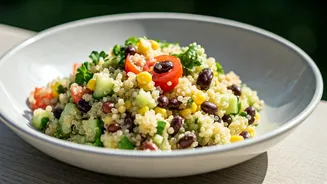
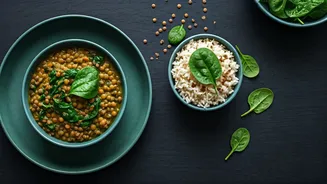
Enhancing the nutritional value and visual appeal of your Nigerian bean preparations is easily accomplished by integrating a medley of fresh vegetables. Incorporating ingredients like leafy spinach, sweet carrots, and colorful bell peppers not only adds a vibrant spectrum of colors to your dish but also introduces essential vitamins and minerals, complementing the earthy, wholesome flavor of the cowpeas. This addition makes your meals more robust and satisfying, providing increased satiety without a significant caloric increase. The combination of legumes and vegetables creates a well-rounded, nutrient-dense meal that is both delicious and beneficial for your overall health.
Efficient Leftover Storage
Properly storing any remaining cooked Nigerian beans is essential for preserving their freshness and preventing waste. After cooking, allow the beans to cool down completely to room temperature before transferring them into an airtight container. This simple step helps maintain their quality. Refrigerated, these cooked beans will remain delicious and safe to consume for up to five days. For longer-term preservation, consider freezing portions of the cooked beans in freezer-appropriate bags or containers. Properly frozen, they can retain their quality for as long as three months, ensuring you have a healthy, homemade bean dish readily available whenever the craving strikes.