




Selecting The Perfect Pot
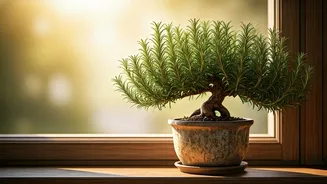
The foundation of a thriving rosemary bonsai lies in its container. Opt for a pot equipped with drainage holes; this is paramount to prevent waterlogged
roots, a common pitfall for many plants. A shallow vessel is often best, as it closely replicates the natural growing conditions of rosemary. It's important that the chosen pot allows adequate room for the roots to develop without becoming excessively cramped, thereby contributing to the plant's overall health and manageable size as a bonsai.
Ideal Soil Mix
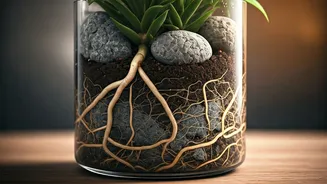
Rosemary thrives in a soil environment that allows for excellent drainage and aeration. The ideal soil composition leans towards a slightly acidic pH, typically ranging between six and seven. A well-balanced blend often includes standard potting soil mixed with elements like sand or perlite. This combination ensures water doesn't stagnate around the roots, which is crucial for preventing rot. Furthermore, periodically repotting your rosemary bonsai every couple of years is a vital practice. This process replenishes depleted nutrients in the soil and prevents the plant from becoming root-bound, ensuring continued healthy growth.
Light and Temperature
For your rosemary bonsai to flourish indoors, ample light is indispensable. Position the plant near a south-facing window, where it can bask in at least six hours of direct sunlight daily. Should your home lack sufficient natural light, consider supplementing with artificial grow lights to meet its needs. The ideal temperature range for maintaining a healthy rosemary bonsai indoors is between 15 and 24 degrees Celsius. Consistently providing these conditions will promote vigorous growth and overall plant vitality.
Watering Wisely
Proper hydration is a cornerstone of rosemary bonsai care. A good rule of thumb is to water when the uppermost inch of soil feels dry to the touch. It is critical to avoid overwatering, as this can lead to root rot, a condition detrimental to the plant's health. Always ensure that any excess water drains completely from the pot after each watering session. During the cooler winter months, you should reduce the frequency of watering. This adjustment is necessary because evaporation rates are significantly lower during this period, and the plant requires less moisture.
Pruning for Shape
Regularly tending to your rosemary bonsai through pruning is essential for both shaping its aesthetic and encouraging denser, bushier growth. Employ sharp scissors or pruning shears to trim new shoots consistently. A key guideline is to avoid removing more than one-third of the plant's foliage in a single session. This careful approach promotes robust branching and a more compact form without unduly stressing the plant, ensuring it remains a beautiful, well-maintained miniature specimen.