



Japanese Zen Simplicity
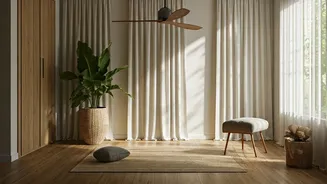
The essence of Japanese Zen decor lies in cultivating a profound sense of peace and simplicity. This style meticulously employs natural materials such
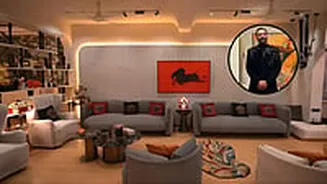
as wood and stone, creating an environment that naturally soothes the soul. The prevailing color scheme consists of muted, neutral tones like soft whites, calming beiges, and gentle grays, fostering an uncluttered visual experience. Furniture is deliberately sparse, often featuring low-lying tables and comfortable floor cushions, encouraging a connection with the ground and promoting a mindful, relaxed atmosphere. The ultimate goal is to curate an uncluttered living space that actively nurtures relaxation and encourages mindful living, making it an ideal choice for those who value tranquility above all else in their home environment.
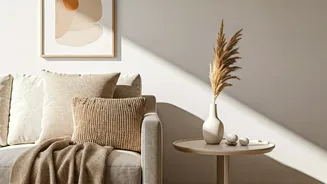
Scandinavian Functional Charm
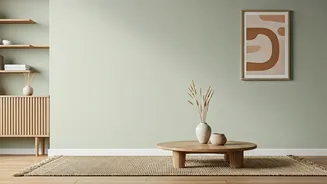
Infusing Scandinavian influence into Indian homes offers a harmonious blend of minimalist aesthetics and paramount functionality. This approach typically utilizes light-infused color palettes, featuring crisp whites or subtle pastel shades, which serve to visually expand and brighten the living space. Natural wood elements are a recurring feature, with furniture designs characterized by clean, straight lines and uncomplicated forms. The emphasis is firmly placed on practicality and utility, ensuring that the home is not only stylish but also highly organized and efficient. This makes it an excellent choice for individuals who aspire to maintain an impeccably organized yet aesthetically pleasing living environment.
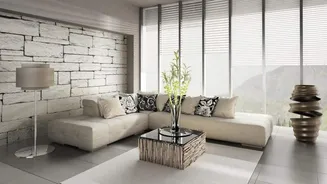
Bauhaus Design Purity
Bauhaus design is globally recognized for its fundamental principle of 'form follows function,' a philosophy that profoundly influences its application in Indian homes. This translates into décor characterized by simple geometric shapes, deliberately devoid of any unnecessary ornamentation. The dominant color palette remains neutral, accentuating the beauty of clean lines and functional forms. Materials like metal and glass are frequently incorporated into furniture pieces, such as chairs and tables, contributing to the style's sleek and modern appeal. A key tenet of this style is the creation of open, airy spaces that are bathed in abundant natural light, promoting a sense of spaciousness and clarity.
Tibetan Tranquil Influence
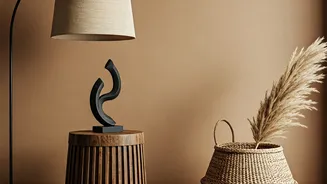
Tibetan influence in home decor aims to instill a deep sense of serenity and calm through the thoughtful use of natural fibers. Materials like soft wool and breathable cotton are prominently featured in textiles such as artisanal rugs and decorative wall hangings, adding warmth and texture to the space. The color palette leans towards earthy tones, with muted shades of green and brown that impart a gentle warmth without overwhelming the senses. Complementing these elements, simple wooden furniture pieces are chosen to maintain the overall aesthetic, ensuring that the primary focus remains on cultivating a harmonious and peaceful living environment, conducive to relaxation.
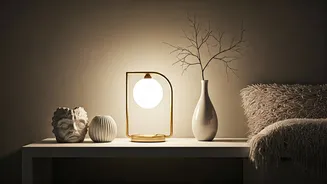
Indian Modernism Minimalist
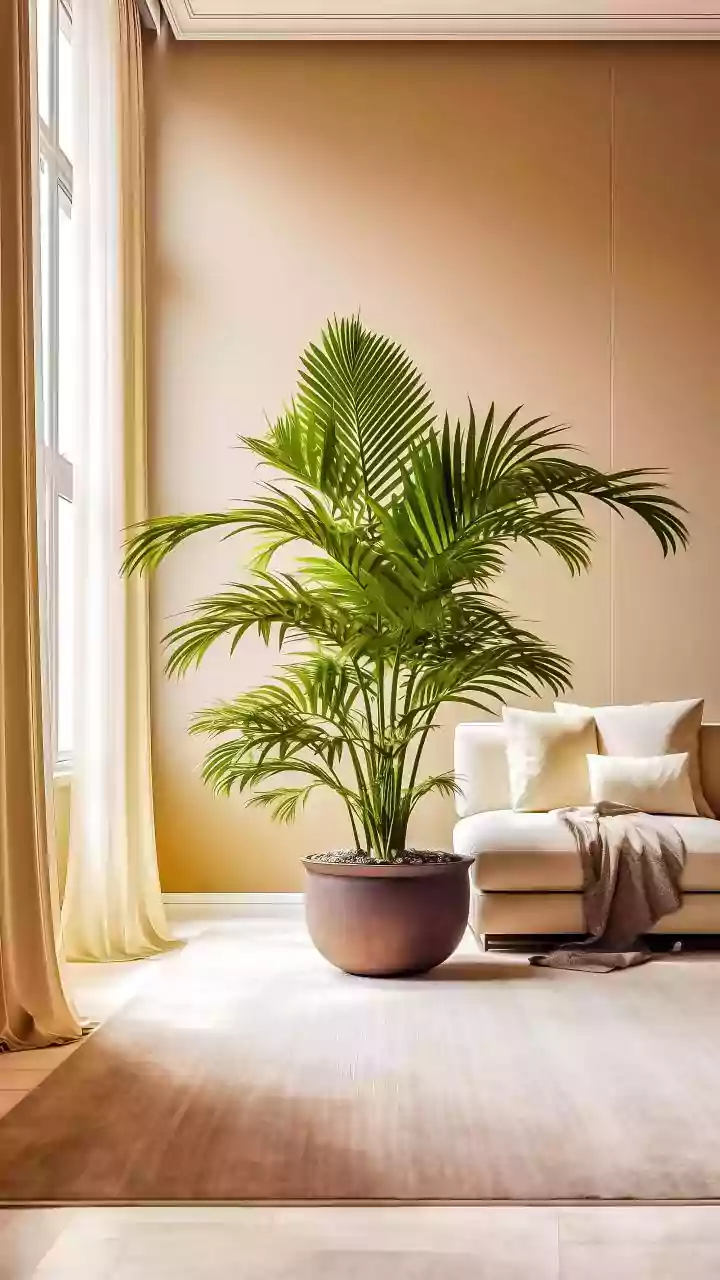
Indian modernism elegantly merges traditional cultural motifs with contemporary design principles, resulting in a unique aesthetic that places a premium on minimalism. Each furniture piece is defined by its clean, sharp lines, while a cohesive palette of neutral shades unifies the interior design across different rooms within a home. Careful and intentional arrangement of elements is crucial, ensuring a sense of balance and visual harmony throughout the living spaces. This thoughtful approach cultivates an uncluttered atmosphere that is not only conducive to relaxation but also promotes enhanced productivity and mental clarity for its inhabitants.