


From Scraps to Stories
Bihar's Sujani embroidery, a textile art form with deep historical roots, originates from the resourceful practice of village women. Around the 18th century,
these artisans began repurposing worn cotton saris and dhotis, stitching them together to create soft, padded quilts primarily for newborns. What started as a practical need to provide comfort and warmth for infants gradually evolved into a sophisticated narrative medium. These initial utilitarian pieces, imbued with maternal care, laid the foundation for a craft that would come to encapsulate a wide array of symbols and meanings, eventually spreading its influence beyond Bhasura village to other districts, including Madhubani. The transformation of discarded fabric into a canvas for storytelling highlights both artistic ingenuity and the profound emotional connections embedded within everyday objects, turning simple remnants into heirlooms that carry generational memories and cultural significance.
Meaning Behind the Name
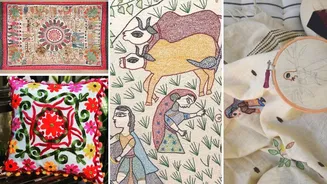
The very name 'Sujani' offers a glimpse into the craft's core essence. Derived from Sanskrit, the prefix 'Su' signifies goodness or ease, while 'Jani' is associated with birth. This etymology perfectly encapsulates the art form's original purpose: to create comforting and auspicious wraps for newborns, bestowing blessings and ease upon new life. While the practice began with infant quilts, its scope has expanded significantly over time. Today, Sujani embroidery adorns a variety of items, including decorative bedspreads, elegant curtains, stylish stoles, and intricate wall hangings. Despite this diversification, the underlying cultural associations with nurturing, protection, and well-being remain central to the art, connecting contemporary creations to their ancient origins and the protective spirit of the craft.
Revival and Resilience
By the mid-20th century, the traditional Sujani embroidery faced a decline, its practice waning as other influences emerged. However, a significant turning point arrived in 1988 with the dedicated revival efforts spearheaded by Nirmala Devi, who was affiliated with the Mahila Vikas Sahyog Samiti. This initiative focused on re-establishing the traditional techniques and providing structured training to rural women. Through this organized support and encouragement, artisans were empowered to reclaim their heritage craft, fostering not only the preservation of the intricate stitches and motifs but also a renewed sense of pride and confidence within the artisan community. This resurgence was crucial in ensuring that Sujani embroidery would continue to be a vibrant and relevant art form for future generations.
Symbolic Language of Threads
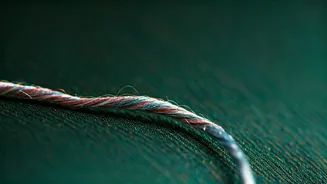
Sujani embroidery is a testament to the power of creating harmony from disparate elements. The layering of old, worn-out fabrics and their subsequent stitching into a unified whole symbolizes resilience and the maternal act of bringing comfort and completeness. Each thread woven into a Sujani piece is often viewed as a prayer or a wish for well-being, especially when the finished quilt was intended for a child. It was believed that wrapping an infant in a Sujani quilt would imbue the child with blessings and protection against any harm. This deep spiritual and protective undertone is further expressed through its rich tapestry of motifs. Common symbols include the sun and clouds, representing life and continuity, and various sacred animals and mythical figures that serve as protective emblems. Older pieces often feature a dominant palette of red and yellow threads, where red signifies vitality and blood, while yellow embodies solar energy, with darker shades adding depth and contrast. Modern artisans have expanded this visual vocabulary to include flora, fauna, and geometric designs, enriching the narrative potential while staying true to the craft's fundamental ethos.
Crafting Process Unveiled
The creation of a Sujani embroidered piece is a meticulous yet fluid process, beginning with the conceptualization of a design or motif. Artisans then translate their ideas onto the fabric, either by drawing outlines freehand or using simple stencils on cotton or silk materials. Before the embellishment begins, the fabric is carefully washed and ironed to ensure a smooth and even surface for stitching. Layers of fabric are arranged and then secured in place using running stitches, forming the base of the artwork. The defining elements of the figures and borders are then brought to life using the chain stitch and back stitch techniques. These skilled needleworks not only outline the forms but also create texture, depth, and a sense of movement within the design. Upon completion of the intricate embroidery, any loose threads are neatly trimmed, and the edges are finished with care to ensure the durability and longevity of the final piece, making it both a beautiful and resilient work of art.
Economic Empowerment Through Art
Sujani embroidery has evolved into a significant economic engine for women across more than 20 villages surrounding Bhasura and Madhubani. By organizing themselves into collectives, these artisans have gained the ability to effectively market their intricate creations and achieve greater financial independence. This venture transcends mere income generation, fostering a profound sense of dignity and enabling creative self-expression among the women. Their textiles, once confined to private homes, are now finding their way into exhibitions and urban marketplaces, showcasing their talent on a broader stage. This visibility not only strengthens their individual livelihoods but also reinforces community identity and pride in their unique cultural heritage, proving that traditional art can be a powerful tool for modern empowerment and sustainable development.