



Mastering Watering Techniques
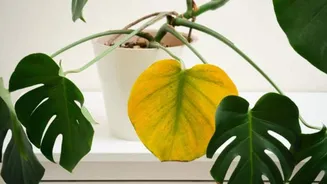
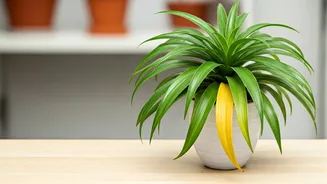
Yellowing leaves on your beloved indoor plants often signal an issue with hydration, either too much or too little. Achieving the correct watering balance
is paramount and varies significantly between plant species. A fundamental practice is to always assess the soil's moisture level before reaching for the watering can; if the top inch of soil feels dry to the touch, it indicates your plant is ready for a drink. Furthermore, selecting pots equipped with adequate drainage holes is a crucial preventative measure, ensuring that excess water can escape and preventing the detrimental accumulation of moisture around the root system, which can lead to root rot and further complications. Consistent and appropriate watering is a cornerstone of good plant husbandry.
Optimizing Light Conditions
The amount and type of light your indoor plants receive play a pivotal role in their overall health, and providing inadequate or excessive light can manifest as discolored, yellowing foliage. Each plant species possesses unique light requirements; some flourish in environments bathed in bright, indirect sunlight, while others are content with dimmer conditions. It's essential to identify the specific light needs of each plant in your collection and position them accordingly. This might involve placing them near windows that receive filtered sunlight or supplementing with artificial grow lights if natural light is insufficient. Understanding and meeting these light demands is key to preventing stress-induced yellowing and promoting robust growth.
Ensuring Nutrient Adequacy
A deficiency in essential nutrients or an imbalance in the feeding regimen can also be a primary reason for your houseplants developing yellow leaves. To foster healthy development and vibrant foliage, regular fertilization with a well-balanced plant food is recommended, supplying the vital elements necessary for growth. However, it's equally important to exercise caution and avoid the pitfall of over-fertilizing. Excessive nutrient application can lead to chemical burns on the roots, exacerbating leaf discoloration and causing further harm to the plant's health. Striking the right equilibrium in nutrient provision is critical for sustained vitality.
Maintaining Temperature Stability
Indoor plants are sensitive to their environmental surroundings, and sudden or extreme fluctuations in temperature can induce significant stress, often signaling distress through the development of yellow leaves. Most common houseplants thrive within a moderate temperature range, typically between 18 degrees Celsius and 24 degrees Celsius (64 to 75 degrees Fahrenheit). To protect your plants from these detrimental environmental shifts, it's advisable to keep them away from direct drafts emanating from open doors or windows, as well as from heat sources like radiators or cooling vents from air conditioners. Shielding them from these rapid temperature changes helps maintain a stable and conducive growing environment.
Proactive Pest Management
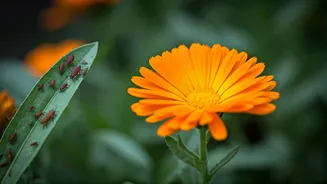
The presence of common houseplant pests, such as spider mites or aphids, can introduce significant stress to your plants, often resulting in the unwelcome appearance of yellowing leaves. To mitigate this risk, a proactive approach to pest control is indispensable. Regularly and thoroughly inspect your plants for any early indications of infestation, paying close attention to the undersides of leaves and new growth. Should pests be detected, prompt and appropriate treatment is necessary, utilizing methods like insecticidal soaps or neem oil. Furthermore, maintaining the cleanliness of your plants by gently wiping their leaves with a damp cloth can also serve as an effective deterrent, helping to prevent pests from establishing a foothold.