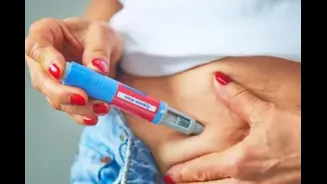







Understanding Haemophilia's Grip
Haemophilia, a hereditary condition, profoundly impacts the body's ability to halt bleeding. When blood doesn't clot effectively, even minor scrapes or bumps
can lead to prolonged and excessive blood loss. Advances in medical science have brought significant improvements in managing this disorder, yet a concerning number of individuals remain unaware of their condition, often only discovering it when complications arise. World Haemophilia Day, observed annually on April 17, serves as a critical reminder that many people living with haemophilia are still undiagnosed, highlighting a significant gap in global healthcare awareness and access to essential care for this inherited bleeding disorder.
The Global Diagnosis Gap
The World Federation of Haemophilia paints a stark picture: an estimated 1.125 million individuals worldwide are expected to have haemophilia, with approximately 418,000 predicted to have the severe form of the condition. However, the reported number of diagnosed cases falls dramatically short of these projections, indicating that over three-quarters of individuals with bleeding disorders globally remain undiagnosed. This immense diagnostic deficit leaves hundreds of thousands without access to even fundamental medical attention and treatment, underscoring a widespread issue in recognizing and managing these conditions on a global scale.
India's Diagnostic Delays
In India, the challenge of diagnosing haemophilia is particularly acute. The median age at which a child is diagnosed with severe haemophilia is a staggering 60 months, or five years. This contrasts sharply with high-income countries, where diagnosis typically occurs before a child's first birthday. Such significant delays in identification have serious clinical ramifications. Unmanaged bleeding episodes, especially those occurring within joints, are common during early childhood for undiagnosed individuals, potentially leading to irreversible joint damage before appropriate treatment can be initiated, highlighting a critical need for earlier detection strategies within the country.
Spotting the Warning Signals
The key to averting long-term complications associated with bleeding disorders lies in recognizing their subtle, early indicators. Symptoms like recurrent nosebleeds, profuse menstrual bleeding in females, and bleeding that persists unusually long after minor cuts or injuries are frequently dismissed as minor inconveniences. However, these are not to be underestimated; they can serve as vital diagnostic clues. Prompt medical consultation is essential rather than simply ignoring these signs, as early detection can lead to timely management and prevent severe health consequences.
Effective Treatment Awaits
Current treatments for haemophilia have reached unprecedented levels of effectiveness, offering a significantly improved quality of life for those diagnosed and managed. However, the efficacy of these therapies is entirely dependent on an accurate diagnosis. In a condition where each unmanaged bleeding episode can inch a joint closer to permanent damage, the most crucial and foundational step is 'recognition' – the act of identifying the disorder. Without this initial step, even the most advanced treatments cannot be initiated, emphasizing that early awareness and diagnosis are paramount for successful haemophilia management.