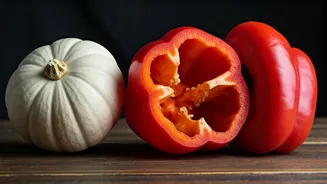







Mineral Composition Showdown
Both red capsicum and white pumpkin bring a range of minerals to the table, crucial for various bodily functions. Red capsicum is a commendable source
of potassium, essential for maintaining healthy blood pressure, and also provides a good dose of manganese, which is important for bone health and metabolism. On the other hand, white pumpkin boasts a higher concentration of certain trace minerals, including copper and zinc. These elements are vital for immune function and cellular repair. It is good to note that the exact mineral content of both vegetables can vary based on growing conditions and soil composition, but both offer significant nutritional value.
Vitamin Content Analysis
The vitamin profiles of red capsicum and white pumpkin showcase a stark contrast. Red capsicum is extraordinarily rich in vitamin C, an antioxidant that supports the immune system and helps protect cells from damage. It also contains substantial amounts of vitamin A, vital for vision and skin health. In comparison, white pumpkin provides a more modest range of vitamins. It offers some vitamin C but, more notably, contains B vitamins like folate, which is essential for cell growth and division. The higher vitamin C content in red capsicum makes it a potent weapon against free radicals, while white pumpkin offers unique B vitamin benefits.
Caloric Value Comparison
When it comes to caloric content, both red capsicum and white pumpkin are relatively low-calorie vegetables, making them good choices for weight management. Red capsicum tends to have slightly more calories per serving, primarily due to its higher carbohydrate content. White pumpkin, however, is exceptionally low in calories, mostly consisting of water. This makes it an excellent choice for individuals aiming to keep their calorie intake in check. Both vegetables are nutrient-dense and contribute few calories, making them valuable additions to a balanced diet.
Antioxidant Properties Explored
Both red capsicum and white pumpkin offer antioxidant benefits, though through different mechanisms. Red capsicum is packed with antioxidants like vitamin C and carotenoids, which combat harmful free radicals and protect cells from oxidative stress. These antioxidants contribute to reducing inflammation and the risk of chronic diseases. White pumpkin, though having a lower concentration of specific antioxidants, offers other beneficial compounds. It contains various phytonutrients that work in tandem to offer antioxidant protection. Moreover, the different types of antioxidants in each vegetable contribute to a varied defense system in the body, which shows the variety of nutritional benefits.
Which Vegetable Reigns?
Deciding which vegetable is 'better' depends on individual dietary needs. Red capsicum shines in vitamin C and antioxidant potency, while white pumpkin provides unique mineral and low-calorie advantages. For a boost in immune support and a wider range of antioxidants, red capsicum may be more beneficial. However, white pumpkin's low-calorie profile and different nutrient mix may be more suitable for certain dietary plans. Incorporating both into your diet provides a diverse range of nutrients, supporting overall health and well-being. Ultimately, both vegetables offer significant value as part of a balanced diet.