





Strategic Plant Placement
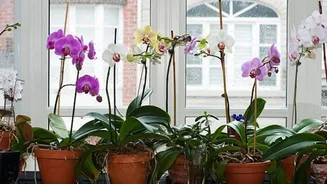
The location of your indoor plants is paramount when aiming to protect them from drastic temperature shifts. Avoid placing them in precarious spots where
they are directly exposed to harsh elements. Windowsills, for instance, can become frigid in winter or scorching hot in summer, subjecting plants to rapid temperature changes. Similarly, keeping plants in close proximity to heating vents, radiators, or air conditioning units can cause undue stress. These devices often emit intense heat that rapidly dries out the soil and foliage, or conversely, blast cold air that can shock delicate leaves. The ideal scenario is to identify a location within your home that naturally maintains a more consistent temperature throughout the day and night, minimizing exposure to drafts from doors and windows and avoiding artificial climate control sources.
Utilize Protective Covers
Employing plant covers offers a simple yet effective shield against abrupt temperature fluctuations, particularly during cooler periods or unexpected cold snaps. These covers act as a buffer, preventing direct contact with chilling drafts that often emanate from windows or doorways, especially at night when ambient temperatures typically plummet. It is crucial, however, to select covers made from breathable materials. This ensures that while the plant is insulated from extreme cold or excessive heat, it still receives adequate light for photosynthesis and maintains sufficient air circulation. This dual benefit of protection and essential resource provision helps plants remain resilient and healthy, mitigating the shock associated with rapid environmental changes.
Mastering Humidity Levels
Maintaining optimal humidity levels is a critical component of plant well-being, especially when battling the effects of artificial heating systems common in cooler months. Many indoor heating mechanisms tend to significantly dry out the air, creating an environment that can be detrimental to plants accustomed to more humid conditions. To counteract this, consider integrating humidifiers into the plant’s immediate vicinity. Alternatively, a simple yet effective method involves placing plants on pebble trays filled with water; as the water evaporates, it increases the moisture content in the air surrounding the plant. This consistent hydration helps plants better withstand temperature variations and prevents issues like brown leaf tips and wilting, contributing to their overall health and vigor.
Adjust Watering Schedules
The water requirements of your indoor plants are intrinsically linked to the prevailing temperature, necessitating an adaptive watering regimen. When temperatures decrease, the rate at which water evaporates from the soil and transpires from the plant slows considerably. Consequently, you will likely need to reduce the frequency of watering to prevent the soil from becoming waterlogged, which can lead to root rot. Conversely, during warmer periods, evaporation accelerates, and plants may require more frequent watering to stay adequately hydrated and prevent dehydration. By carefully observing the soil moisture and adjusting your watering schedule in response to temperature changes, you ensure your plants receive just the right amount of moisture, promoting healthy growth and preventing common issues.
Leverage Thermal Mass
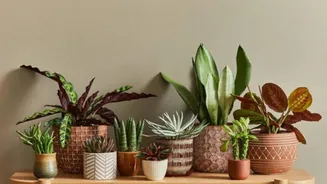
Incorporating materials with thermal mass can significantly contribute to stabilizing the microclimate around your indoor plants, thereby buffering them against rapid temperature swings. Thermal mass materials possess the ability to absorb heat energy during warmer parts of the day and then gradually release it as temperatures drop during the evening. This slow release of stored heat helps to create a more consistent and moderated temperature environment. Opting for pots made from materials like ceramic or stone can provide this beneficial thermal regulation, as they retain heat more effectively and for longer durations compared to their plastic counterparts. This characteristic is particularly advantageous for sensitive plant species that are prone to succumbing to stress caused by abrupt environmental temperature shifts.