



Arm Movements Engage
Transform your standard high lunge into a comprehensive, full-body exercise by integrating dynamic arm movements. As you step forward into the lunge position,
simultaneously extend your arms overhead, reaching towards the sky. Alternatively, you can spread your arms wide to your sides, maintaining a strong, engaged posture. These actions not only serve as excellent aids for maintaining balance, especially as you deepen the lunge, but they also significantly boost your workout's intensity. By involving your upper body and core more actively, you increase the number of muscles working simultaneously, leading to a greater calorie expenditure and a more holistic strength development. This simple addition amplifies the effectiveness of the high lunge, making it a more robust movement for overall fitness.
Props for Resistance
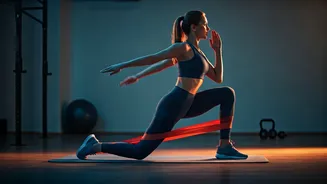
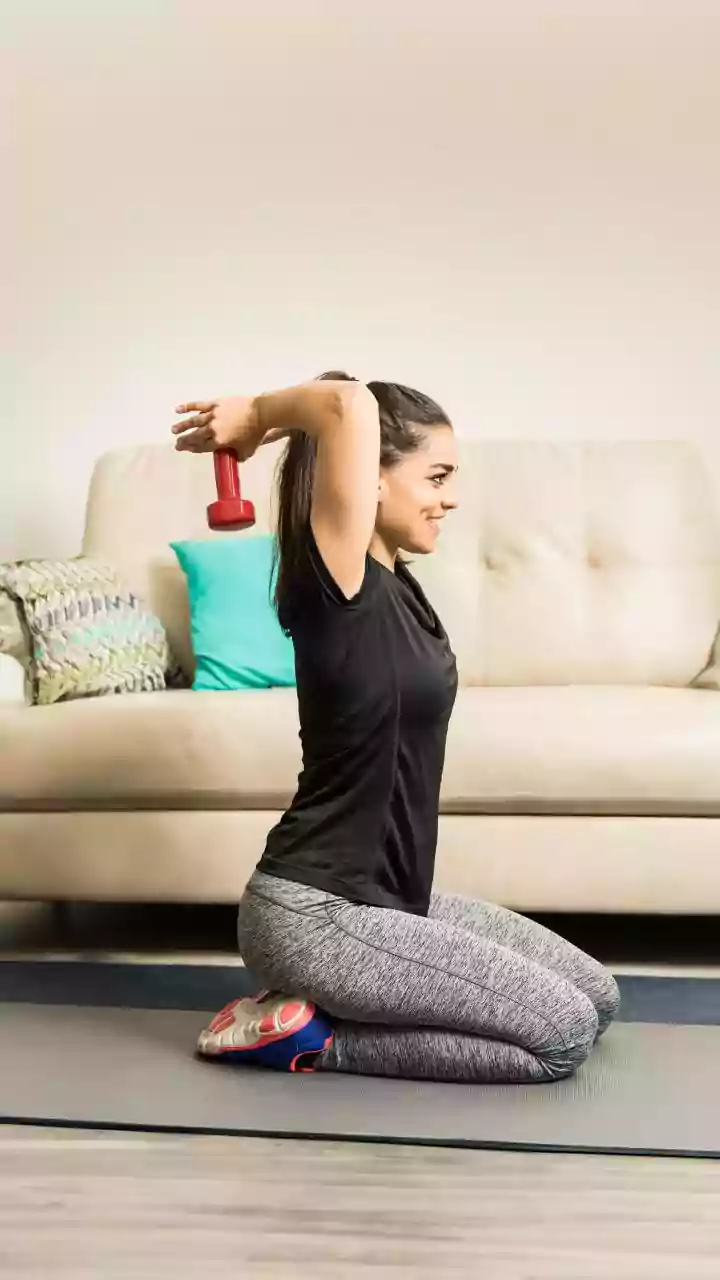
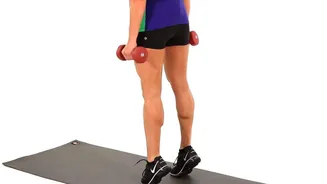
Introduce external resistance to your high lunge practice to elevate its strength-building capabilities and overall challenge. Incorporating hand weights, with one held in each hand, will introduce a significant load, compelling your muscles to work harder and fostering greater strength gains. For an alternative or additional resistance, consider using resistance bands. These can be looped around your thighs, just above your knees, to enhance glute and hip activation, or you can grip them in your hands and extend them forward or upward during the lunge. This strategic use of simple props effectively transforms the high lunge from a bodyweight exercise into a potent resistance training movement, pushing your muscular endurance and power development to new levels.
Twists for Core
Incorporate a rotational element into your high lunge to specifically target and invigorate your core musculature, particularly the obliques, while also enhancing spinal mobility. Once you've settled into the lunging stance, with your front knee bent at approximately 90 degrees and your back leg extended, initiate a controlled twist of your torso. Rotate your upper body towards the side of your front leg, ensuring your hips remain square to the direction you are facing. This controlled rotation not only strengthens the deeper abdominal muscles and improves your ability to generate rotational power but also significantly enhances your body's overall stability and proprioception, contributing to better posture and injury prevention.
Unstable Surfaces
Challenge your balance and coordination by performing high lunges on unconventional, unstable surfaces. Utilizing equipment like a balance pad, a Bosu ball, or even a folded yoga mat can introduce an element of unpredictability to your stance. This uneven terrain forces your smaller stabilizing muscles, particularly around your ankles, knees, and hips, to engage more intensely and work overtime to maintain equilibrium. Such exercises are invaluable for improving proprioception – your body's awareness of its position in space – and can contribute significantly to developing better joint stability, ultimately helping to reduce the risk of sprains and other lower-body injuries.
Circuit Integration
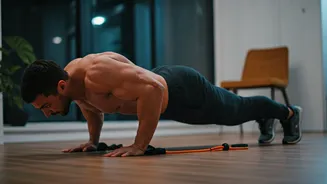
Elevate your workout efficiency and effectiveness by seamlessly integrating high lunges into a circuit training regimen. Combine the high lunge with other fundamental exercises such as squats, planks, push-ups, or jumping jacks. This approach allows you to target a wide array of muscle groups throughout your body in rapid succession, maximizing your training time. Circuit training is exceptionally beneficial for simultaneously enhancing cardiovascular endurance and building functional strength across diverse areas of your physique. By moving from one exercise to the next with minimal rest, you create a metabolic challenge that promotes fat loss while developing a well-rounded level of fitness.