






Fruit with Meals
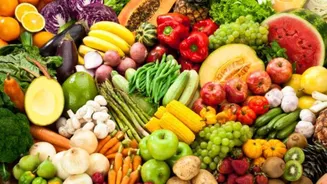
For years, a prevalent notion suggested that consuming fruit alongside main meals was detrimental to digestion, often citing fermentation as the culprit.
However, extensive research has failed to substantiate these claims. Fruits are packed with vital vitamins and minerals that can significantly enhance a meal's nutritional profile. The key to incorporating them harmoniously lies in thoughtful pairing; choose fruits that complement the other components of your meal, ensuring they add value without creating an imbalance in flavors or digestive load. Rather than a digestive disruptor, fruit can be a valuable and healthy addition when integrated wisely into your eating patterns.
Dairy & Citrus Unite
A widely circulated myth posits that combining dairy products with citrus fruits leads to stomach curdling and digestive distress. This belief has led many to consciously avoid such pairings, even though they are staples in diverse culinary traditions. For instance, cuisines in India and the Middle East frequently incorporate yogurt with citrus elements without adverse effects. Scientific scrutiny has found no credible evidence to support the idea that this combination inherently harms digestion. The human stomach possesses a highly acidic environment capable of handling such mixtures, and the perceived 'curdling' is a natural process that doesn't equate to digestive harm.
Starches and Proteins
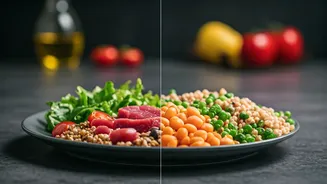
One of the longest-standing dietary guidelines advises against consuming starches, such as rice or bread, concurrently with proteins, like lentils or beans. The rationale often presented is that these macronutrients require distinct digestive enzymes, leading to a confused digestive system. However, this overlooks the body's remarkable efficiency in producing a variety of enzymes simultaneously. Our digestive system is adept at processing complex meals containing diverse food groups. Therefore, the notion that mixing starches and proteins causes digestive conflict is largely unfounded, as our bodies are well-equipped to handle such combinations effectively.
Cold Foods Impact
A common misconception suggests that consuming cold foods or beverages can significantly impede digestion by lowering stomach temperature below optimal levels for enzyme activity. This theory, however, lacks a robust scientific foundation. While temperature plays a role in food preference, its impact on the overall efficiency of digestion is minimal when compared to the food's actual composition. The human body is adept at regulating its internal temperature, and the digestive process is resilient to moderate temperature variations. Therefore, the idea that cold foods inherently slow digestion is largely a myth; balanced nutrient intake is far more critical for digestive health.