



The Hidden Danger
Our bodies are increasingly exposed to microplastics, tiny particles under 5 millimeters that are virtually impossible to remove from the environment once
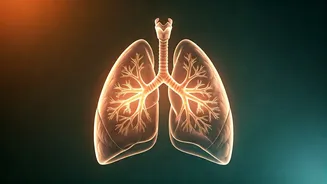
released. These non-biodegradable invaders infiltrate our systems through various routes, including the water we drink, the food we eat, and even everyday items like packaging. The concerning reality is that a significant amount of these microplastics can be ingested daily, potentially leading to a wide range of health issues. When these minute plastic fragments find their way into our respiratory system, they pose a serious threat, contributing to conditions such as asthma, bronchitis, and other chronic lung ailments, thereby compromising long-term respiratory well-being.
Ayurvedic Innovations
In response to the escalating microplastic threat, particularly its impact on lung health, Ayurvedic research has yielded promising results. Patanjali Research Institute has developed 'Divya Bronchom 60 N (35 Gms),' a formulation designed to address respiratory concerns and mitigate the effects of microplastics within the lungs. This development was inspired by a 2022 study highlighting microplastic penetration into the lungs. Following a year of intensive investigation, scientists confirmed Ayurveda's capacity to counteract microplastic damage. Divya Bronchom, a blend of potent herbs including clove, tulsi, cinnamon, sonth, mulethi, amaltas, safed vasa, banafsa, bharangi, marich, kapardak bhasma, and godanti bhasma, aims to purify and strengthen the lungs. It is formulated to alleviate common respiratory discomforts like coughs and colds, enhance oxygen flow for improved breathing, clear phlegm, reduce inflammation, and ultimately bolster lung resilience.
Scientific Validation
The efficacy of Ayurvedic interventions against microplastic-induced lung damage has been rigorously examined. A study involving 88 rats exposed to microplastic particles demonstrated that the administration of Bronchom significantly restored respiratory function. Using the Flexivent System, researchers observed a dose-dependent improvement in lung mechanics, indicating that higher doses yielded better outcomes. Furthermore, analysis of lung fluid revealed that while microplastics increased immune cell levels, Bronchom usage effectively reduced these levels in a similar dose-dependent manner, also decreasing inflammation-related gene expression. Histopathological examination of lung tissue showed that airways damaged by microplastics returned to a normal state after Bronchom treatment, with improvements noted in airflow velocity and exhalation pressure. Promising results were also observed in human trials and experiments conducted on THP-1 cells, further substantiating the formula's beneficial effects.
Holistic Protection Tips
Ayurveda offers a multi-pronged approach to combatting the effects of microplastics on the lungs. Firstly, specific herbs play a crucial role: Tulsi is highly valued for its ability to fight respiratory infections, enhance lung capacity, and provide anti-inflammatory protection. Mulethi aids in soothing irritated airways and managing stubborn mucus buildup. Ashwagandha, known for its stress-reducing properties, also helps combat inflammation triggered by environmental pollutants. Secondly, traditional nasal therapies are invaluable. Practices like applying nasal oil, performing Jal Neti (nasal cleansing), and oil pulling can act as protective barriers, preventing pollutants like microplastics from entering the body, clearing them from the system, and aiding in toxin removal. Lastly, dietary adjustments are essential. Consuming warm water and herbal infusions keeps the respiratory tract hydrated, while a spoonful of ghee can lubricate and soothe airways. Incorporating immune-boosting spices like turmeric, garlic, and black pepper can further aid in reducing inflammation and strengthening the body's defenses.