


Calorie Content Surprise
A prevalent misunderstanding is that salads are inherently low in calories, a notion that often leads to overindulgence. The reality is that the calorie density
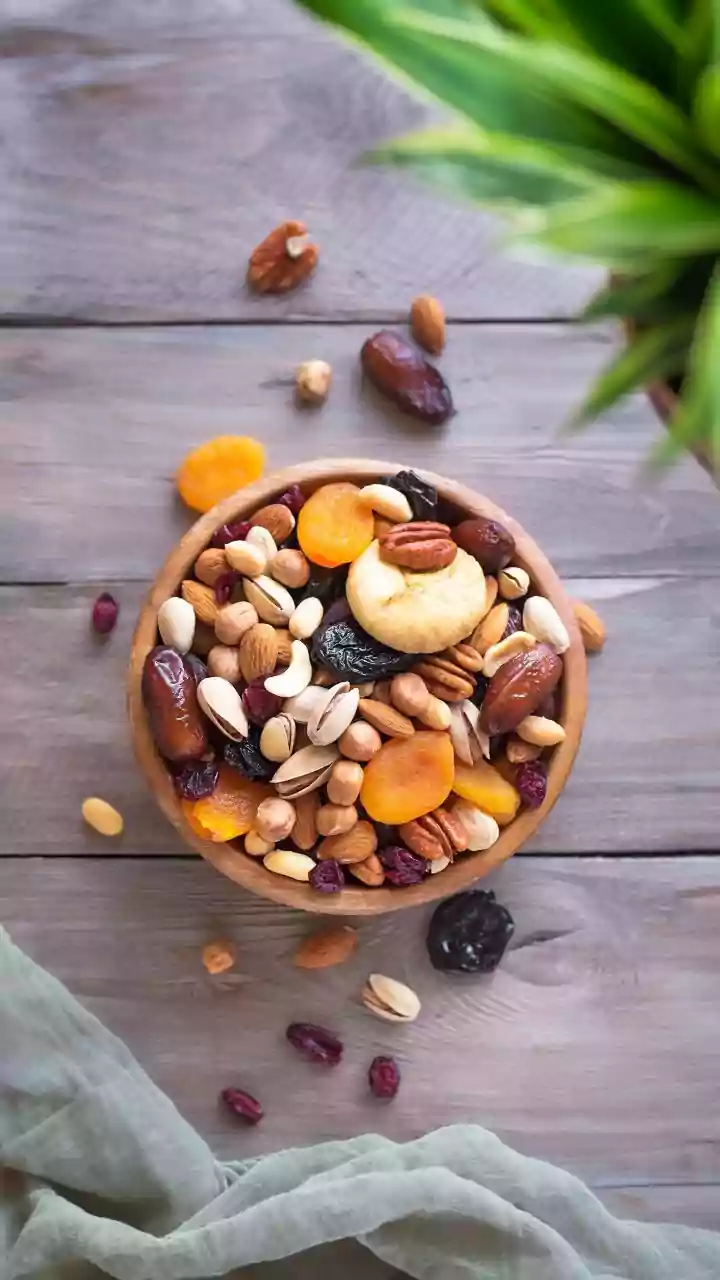
of a salad can skyrocket based on its components. Creamy dressings, generous portions of cheese, and handfuls of nuts can transform a seemingly light meal into a calorie-laden one. It is therefore crucial to scrutinize every ingredient added to your salad to ensure it aligns with your health objectives. A mindful approach to selection is key to maintaining a salad's reputation as a healthy option.
Nutrient Diversity Matters
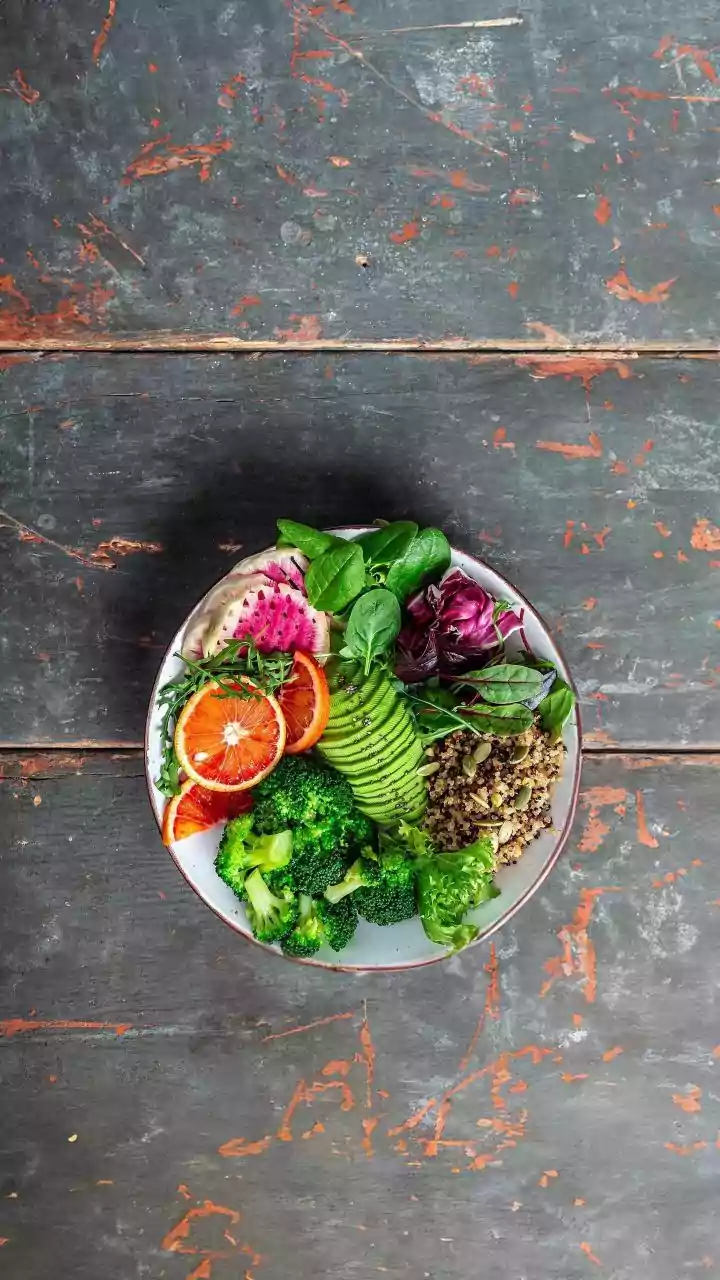
While leafy greens are undeniably packed with essential nutrients, the assumption that 'more greens equals more nutrients' is an oversimplification. The true nutritional power of a salad often lies in variety. Incorporating a spectrum of vegetables, such as vibrant tomatoes, crunchy carrots, or colourful bell peppers, introduces a broader array of vitamins, minerals, and antioxidants. This diversity in plant-based ingredients creates a more comprehensive and balanced nutritional profile than relying solely on a large volume of a single type of green.
Dressing's Healthy Role
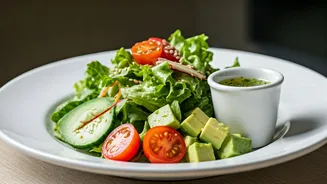
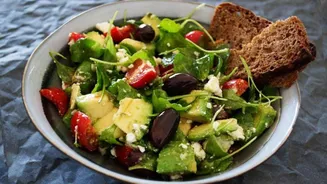
The notion that all salad dressings are detrimental to health is a widespread misconception. In fact, certain dressings can play a beneficial role in your diet. Those made with healthy fats, like olive oil or avocado-based creations, are particularly valuable. These fats aid in the absorption of fat-soluble vitamins present in the salad's vegetables, such as Vitamins A, D, E, and K. Opting for vinaigrettes or dressings with a vinegar base can also add flavour without excessive calories or unhealthy additives, contributing positively when used judiciously.
Cooking Enhances Nutrients
The belief that all vegetables are maximally nutritious in their raw state is not entirely accurate. While raw vegetables offer certain benefits, cooking can actually unlock or enhance the bioavailability of specific nutrients. For instance, lightly steaming vegetables like broccoli or carrots can break down their cellular structures, making certain vitamins and antioxidants more readily absorbed by the body. Controlled cooking methods such as steaming or gentle roasting can improve nutrient accessibility without significantly diminishing their overall nutritional content.
Smart Topping Choices
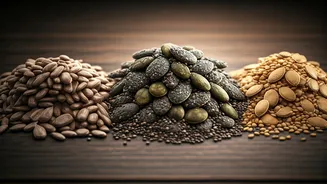
When it comes to salad toppings, aesthetics and taste often take precedence over nutritional value, leading to unhealthy choices. Items like fried croutons or sugary candied nuts add little beyond empty calories and processed carbohydrates. For a healthier and more nutrient-dense salad, consider alternative toppings such as toasted seeds (like pumpkin or sunflower seeds), a sprinkle of nuts, or slices of creamy avocado. These options provide valuable healthy fats, fiber, and essential micronutrients, significantly boosting the salad's overall healthfulness.