




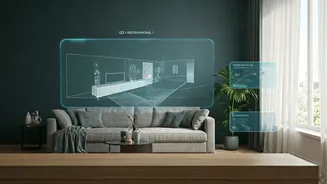
Open Concept Flow
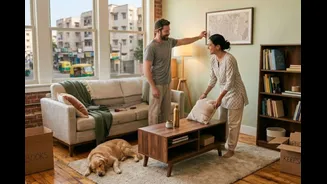
Embrace the 'floating furniture' concept by strategically pulling pieces away from the walls. This technique instantly creates a sense of openness, preventing
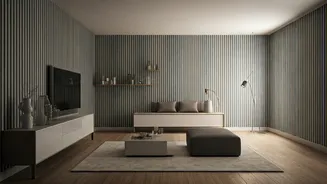
your small living room from feeling confined. By arranging your seating, perhaps around a central coffee table or media console, you naturally encourage interaction and facilitate easy movement throughout the room. This approach also allows natural light to penetrate deeper, contributing to a more expansive ambiance. Think of it as creating a conversational island in the middle of your room, drawing the eye inward and making the boundaries of the space feel less rigid.
Multipurpose Furniture Magic
In limited square footage, furniture that serves multiple purposes is an absolute game-changer. Prioritize items like sofas with integrated storage, tables that fold away neatly, or ottomans that function as both extra seating and discreet repositories for blankets, magazines, or remotes. The art lies in arranging these versatile pieces so they are easily accessible for their intended secondary functions without cluttering the main living area. For instance, positioning a storage ottoman adjacent to your sofa provides immediate extra seating and a convenient spot to tuck away everyday essentials, keeping the main floor space clear and tidy.
Corner Seating Solutions
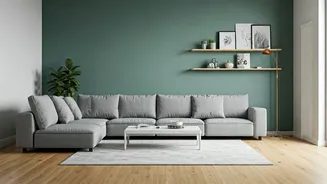
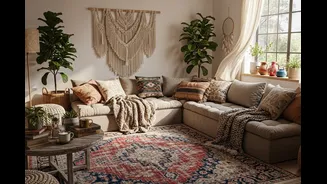
Make the most of often-underutilized corners by employing smart seating arrangements. A corner sofa or an L-shaped sectional can be perfectly placed to fit into these nooks, offering substantial seating capacity while reclaiming valuable floor space. This clever use of an awkward area ensures that you maximize seating without encroaching on the central part of the room. This freed-up space can then be utilized for other elements like decorative bookshelves, plants, or accent chairs, preventing the room from feeling overstuffed and maintaining a sense of visual spaciousness.
Balanced Symmetry
Achieve a sense of calm and order in your small living room with a symmetrical furniture arrangement. This classic design principle involves mirroring elements, such as placing two identical accent chairs directly opposite each other, with a central coffee table or ottoman bridging the gap. This creates a visually harmonious and balanced composition that feels both intentional and aesthetically pleasing. Beyond its visual appeal, a symmetrical layout also ensures ample pathways for movement, making the space feel more organized and less congested, even in tighter quarters.
Define Zones with Decor
Effectively divide your living room into distinct functional zones using elements like area rugs and subtle partitions. This strategy is particularly beneficial for multi-purpose spaces like studio apartments, where one room might serve as a living area, a dining spot, and a workspace. By placing a rug beneath your main seating arrangement, you visually anchor that area, separating it from other parts of the room. Additionally, lightweight screens, decorative shelving units, or even strategically placed plants can act as soft dividers, delineating spaces without creating a sense of enclosure or blocking light and airflow.