







Prime Spot Selection
The foundation of a thriving asparagus garden begins with choosing the right place to plant. Asparagus plants are sun-worshippers, demanding at least six
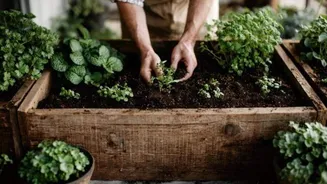
hours of direct sunlight daily to flourish. Equally important is the soil's drainage; asparagus detests soggy roots, so ensure your chosen spot doesn't hold standing water. An ideal soil pH for these plants hovers between seven and eight. If your garden soil is heavy clay or drains poorly, don't despair. You can still enjoy home-grown asparagus by opting for raised garden beds or large containers filled with a well-suited soil mixture. This thoughtful approach sets the stage for robust growth and healthy yields.
Nourishing the Soil
Before introducing your asparagus crowns, it's vital to enrich the soil, creating a nutrient-dense environment for your perennial vegetable. Incorporating generous amounts of organic matter, such as mature compost or well-rotted manure, is a key step. This not only feeds the plants but also significantly improves the soil's texture, promoting better aeration and water retention. Prepare your planting area by digging trenches that are approximately 12 inches wide and 12 inches deep. This depth allows the roots ample space to spread. If your soil analysis indicates a need, amend it with lime to adjust the pH to the optimal range of seven to eight, ensuring the perfect conditions for your asparagus to thrive from the outset.
Planting Asparagus Crowns
The best time to plant asparagus crowns is during early spring, once the soil temperature consistently reaches at least 50 degrees Fahrenheit (10 degrees Celsius). This timing gives the young plants a good start. Position your crowns within the prepared trenches, ensuring each one has about 18 inches of space to grow. Cover them initially with a light layer of soil. After planting, it's essential to water them thoroughly. This action helps to settle the soil around the delicate root systems. Applying a layer of mulch around the base of the newly planted crowns is also highly recommended. Mulching conserves soil moisture, which is critical for young plants, and effectively suppresses weed growth, reducing competition for vital resources.
Consistent Care and Feeding
Asparagus plants are a long-term investment, requiring consistent attention, especially during their initial two years of establishment. Deep watering, performed about once a week, is crucial to ensure moisture penetrates the soil to a depth of roughly six inches, reaching the root zone. Avoid shallow, frequent watering, which encourages shallow root systems. When it comes to feeding, restraint is key. Apply a balanced fertilizer sparingly, typically once in the spring, and always follow the product's instructions meticulously. Over-fertilizing young asparagus can be detrimental, potentially damaging the plants. This careful approach to watering and feeding supports robust growth and sets the stage for future harvests.
Pest and Disease Vigilance
Protecting your asparagus patch from common adversaries like aphids and beetles is an ongoing task for a successful gardener. When pests appear, consider natural solutions such as neem oil sprays rather than immediately resorting to chemical pesticides. This approach helps preserve beneficial insects and maintain a healthy garden ecosystem. Furthermore, practicing crop rotation within your garden plot each year is a wise preventative measure against the buildup of soil-borne diseases. By changing the location of your asparagus annually, you contribute to the long-term vitality and health of your plants, ensuring bountiful and consistent harvests for seasons to come without compromising their inherent vigor.