




Gather Your Supplies
To embark on this creative journey, the first crucial step involves amassing the necessary components for your bookmark project. The foundation will be
composed of reclaimed paper or sturdy cardstock. This could include anything from the glossy pages of old magazines and the printed text of newspapers to any surplus office paper that would otherwise be discarded. Alongside your paper resources, ensure you have essential crafting tools readily accessible. A good pair of scissors is vital for precise cutting, while adhesive, such as glue, will be needed for assembly. Furthermore, a selection of markers or colored pencils will be indispensable for adding decorative elements and bringing your designs to life. These materials are generally easy to acquire, often already present in most households, or can be obtained from local recycling facilities with minimal effort, reinforcing the project's commitment to sustainability from its inception.
Design Your Bookmark
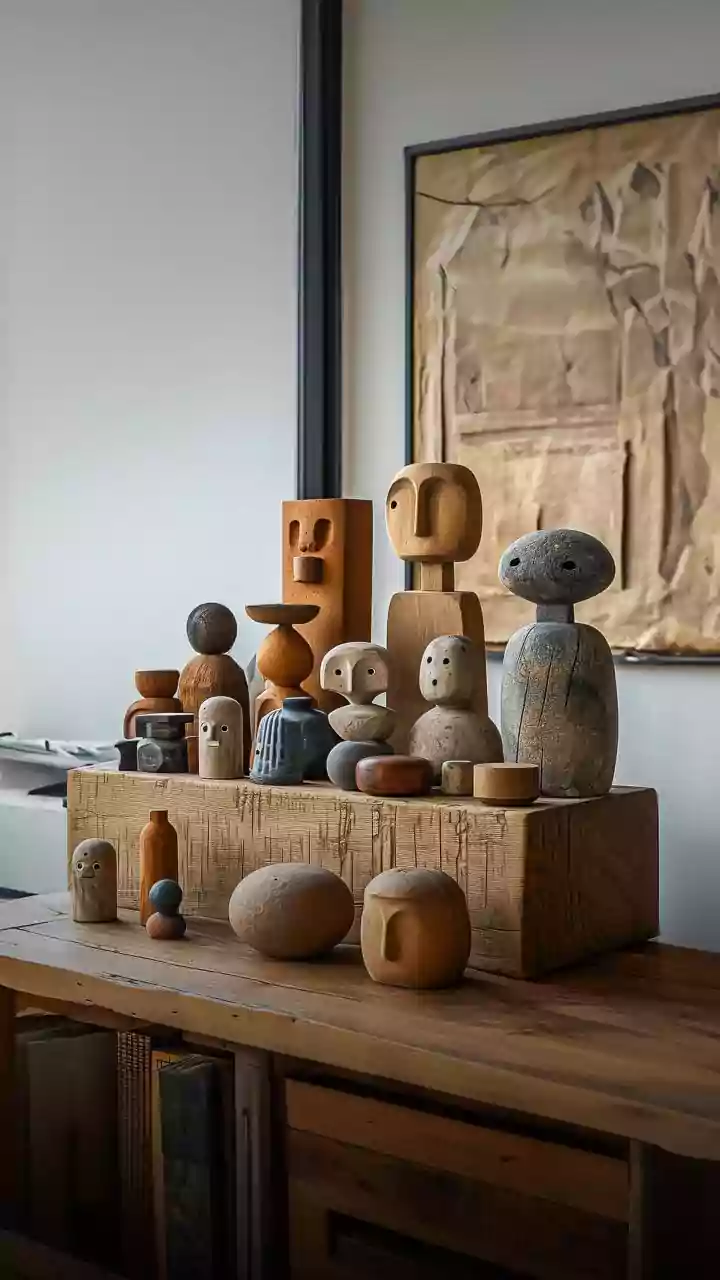
The next phase in crafting your unique bookmarks involves conceptualizing and sketching your design, drawing inspiration from the iconic Akua'ba doll. These traditional figures are instantly recognizable by their distinct, often exaggerated, circular heads and their slender, elongated bodies. Begin by using a pencil to lightly sketch your chosen design onto the recycled paper. It's important to consider the practical dimensions of a bookmark; a common and functional size is approximately six inches in length and two inches in width. This initial sketch serves as a blueprint, allowing you to refine proportions and placement of details before committing to permanent cuts. This iterative process ensures that your final bookmark will not only be aesthetically pleasing but also practical for everyday use, fitting comfortably within the pages of your favorite books.
Cut and Assemble
With your envisioned design carefully sketched onto the recycled paper, the next step is to meticulously bring it to life through cutting and assembly. Employ your scissors to precisely follow the lines of your sketch, carefully shaping the bookmark's form. For those seeking to add a greater sense of dimension and tactile appeal to their creations, consider employing a layering technique. This involves cutting out multiple shapes from different recycled papers and adhering them together with glue. This method not only enhances the structural integrity of the bookmark, making it more robust and durable, but also introduces visual depth and complexity, elevating its overall aesthetic appeal. The careful layering and gluing process transform simple paper scraps into a more substantial and visually engaging art piece.
Add Finishing Touches
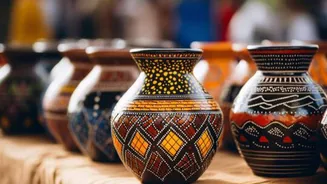
The final stage of your bookmark creation process involves embellishing your piece with decorative details and protective enhancements. Employ markers or colored pencils to imbue your bookmark with character; you can meticulously draw facial features, reminiscent of the Akua'ba doll's artistry, or incorporate intricate patterns inspired by traditional African motifs. These artistic additions are what truly make each bookmark a unique piece. To ensure longevity and protect your artwork from wear and tear, consider applying a layer of clear tape over the entire bookmark. This lamination technique provides a durable, protective coating without compromising the eco-friendly nature of your creation, ensuring your handcrafted treasure can be enjoyed for a long time to come.
Share Your Creations
Once your collection of distinctive, recycled Akua'ba doll-inspired bookmarks is complete, the final and most rewarding step is to share your artistic endeavors. These handcrafted items make wonderful gifts for friends and family, offering a personal touch that mass-produced items cannot replicate. Furthermore, consider extending the experience by organizing a small crafting workshop. This allows you to pass on your newfound skills, teaching others the joy of creating these eco-friendly bookmarks themselves. By sharing your creations and knowledge, you not only spread awareness about the importance of recycling and sustainable practices but also foster an appreciation for African culture through the medium of art and craft, creating a ripple effect of creativity and consciousness.