





Material Selection Secrets
Embarking on the journey of creating an African basket bag begins with a thoughtful selection of natural materials. The foundation of a durable and aesthetically
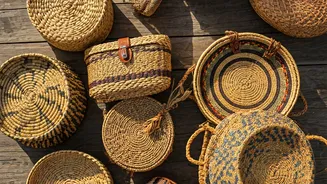
pleasing bag lies in choosing fibers known for their strength and flexibility. Sisal, a robust plant fiber, offers excellent longevity and a slightly coarse texture, perfect for a sturdy weave. Raffia, derived from palm leaves, provides a softer feel and a beautiful, natural sheen, ideal for adding a touch of elegance. Palm leaves themselves are another classic choice, readily available and versatile. When sourcing these materials, it's crucial to ensure they are clean, dry, and free from any blemishes or weaknesses. This careful preparation ensures that the weaving process is smooth and the final product is of high quality, capable of withstanding the rigors of daily use while remaining a testament to sustainable craftsmanship.
Mastering Weaving Techniques
The intricate patterns and inherent strength of African basket bags are a direct result of specialized weaving techniques passed down through generations. Two prominent methods that contribute significantly to the bag's structure and resilience are coiling and twining. Coiling involves building up the bag by wrapping a flexible material around a core, steadily layering it to form a solid, continuous shape. This technique is particularly effective for creating rounded bases and sturdy walls. Twining, on the other hand, uses two or more flexible strands that are interlaced around a core or warp threads. This method allows for greater flexibility in pattern design and creates a tight, durable fabric that can withstand considerable stress. By skillfully employing either or both of these techniques, artisans ensure that the basket bag not only maintains its form but also possesses the robustness required for everyday functionality, making it a cherished item.
Vibrant Color Infusion
The soul of an African basket bag often resides in its vibrant color palette, a reflection of the rich natural world and cultural expressions. Artisans achieve these striking hues by harnessing the power of natural dyes derived from a variety of sources. Plant-based pigments, extracted from roots, leaves, flowers, and even fruits and vegetables, offer a spectrum of earthy tones to bold, vivid shades. The process of dyeing these natural fibers involves carefully preparing the material and then immersing it in the dye bath, often with mordants to help the color bind effectively and last longer. Different dyeing techniques can be employed to create unique patterns, such as tie-dyeing or resist dyeing, adding an artistic dimension to the finished product. This commitment to using natural, eco-friendly dyes not only enhances the visual appeal of the basket bag but also aligns with a philosophy of sustainability and respect for the environment, making each bag a wearable piece of art.
Elevating with Finishing Touches
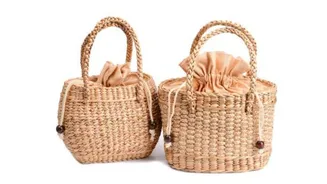
The final stage in crafting a remarkable African basket bag involves the addition of thoughtful finishing touches that enhance both its practicality and its aesthetic charm. Functionality is often improved by incorporating sturdy handles, which can be fashioned from durable leather or woven fabric strips. These handles provide a comfortable and secure grip, making the bag easier to carry for extended periods or when laden with items. Beyond mere utility, these elements offer a canvas for personalization and decoration. Delicate beadwork, intricate embroidery, or the attachment of decorative tassels can introduce an extra layer of visual interest and cultural flair. These embellishments, when carefully chosen and applied, can transform a well-made basket into a truly unique statement piece, ensuring that the bag is not only a practical accessory but also a conversation starter that showcases the artisan's skill and creativity.