





Material Selection Matters
Embarking on your African mask-making journey begins with choosing the right foundation: cardboard. Opt for medium-weight cardboard; it strikes the perfect
balance between durability and pliability, ensuring your mask holds its form without being excessively difficult to manipulate. Avoid paper-thin varieties that might tear during the crafting process, and steer clear of overly thick cardboard that can be cumbersome to cut and shape. The beauty of this project lies in its accessibility – readily available cardboard can be salvaged from discarded packaging and old shipping boxes, making it an economical and eco-friendly choice for your creative endeavor.
Design Your Vision
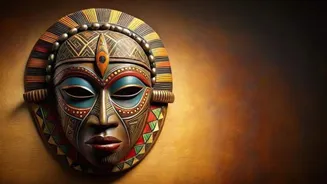
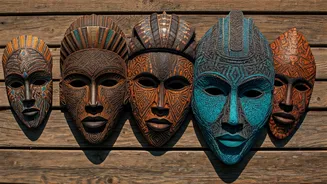
Before a single cut is made, the crucial step of design should take center stage. African masks are renowned for their bold aesthetic, often featuring striking geometric motifs and deeply symbolic elements that represent specific traditions and communities. It's highly recommended to first sketch your mask concept onto paper. This preliminary drawing acts as an invaluable blueprint, allowing you to refine shapes, plan intricate patterns, and visualize the overall composition. Translating your ideas onto paper ensures a clear roadmap for the subsequent cutting and assembly phases, helping you achieve a more authentic and well-executed final product.
Cutting and Sculpting
With your design meticulously planned, the next phase involves bringing it to life through careful cutting and shaping. Employ sharp scissors or, for more intricate curves and detailed edges, a craft knife. These tools will allow for precise delineation of your mask's features. Once the cardboard pieces are cut, the magic of three-dimensional form begins. Gently use your hands or simple household implements like the back of a spoon to bend and mold the cardboard. This technique allows you to create the characteristic curves and contours of traditional masks without causing the material to fracture or tear, effectively giving your creation depth and character.
Vibrant Decoration
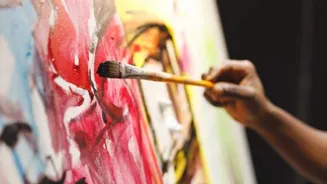
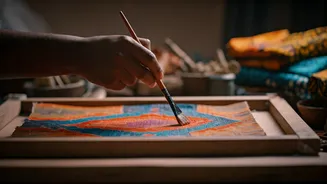
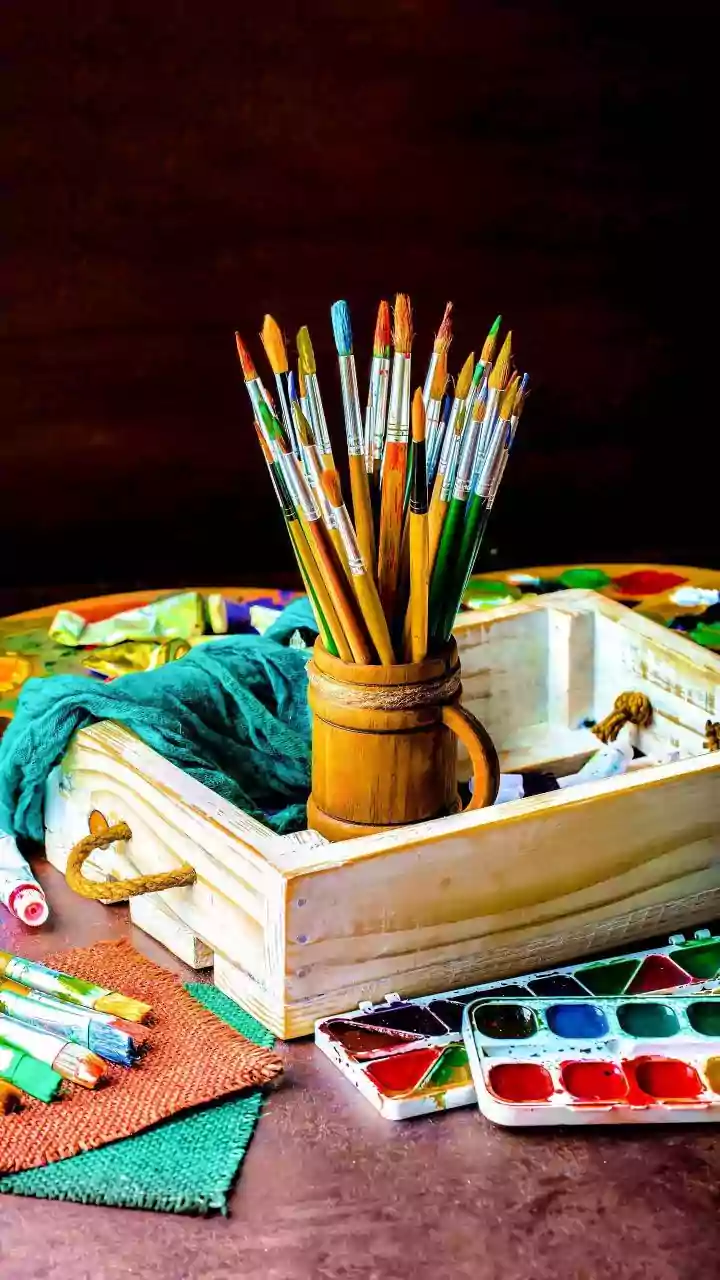
The transformation from raw cardboard to a captivating artifact culminates in the painting and embellishment stage. Acrylic paints are an excellent choice, offering rich pigmentation and a durable finish that effectively mimics the vibrant hues found in traditional African masks. Utilize a variety of brush sizes: fine-tipped brushes are perfect for rendering detailed geometric patterns and symbolic markings, while broader brushes allow for swift and even coverage of larger areas. To further enhance the authenticity and visual appeal, consider incorporating additional decorative elements. Small beads, colorful fabric scraps, or even bits of twine can add texture and a distinct handcrafted charm to your finished mask.
Showcasing Your Art
The final step in your creative process involves deciding how to best display your completed African mask, allowing its cultural significance to be shared. Once all paint and adhesives have thoroughly dried, consider its placement. Will it grace a prominent spot on your living room wall, drawing the eye and sparking conversation? Or perhaps it will find a resting place on a shelf, adding a unique artistic touch to your décor? Whatever the chosen location, whether in your personal space or a communal area where others can appreciate its artistry and heritage, ensure the mask is securely fastened to prevent any accidental falls. Proper display honors the effort and cultural meaning embedded in your handcrafted piece.