





Selecting the Right Soil
The foundation of any successful garden lies in the soil. Proper soil selection is fundamental to plant health and productivity. The ideal soil should
possess a balanced composition, integrating essential elements like sand, silt, and clay in proper proportions. Sandy soils offer excellent drainage, thereby preventing waterlogging, which is a common cause of root rot. Silt particles contribute to good water retention and nutrient availability. Clay soils hold nutrients effectively, but they can compact easily, potentially hindering root growth. You can improve clay soil by adding organic matter such as compost or well-rotted manure, improving aeration and drainage. Before planting, perform a soil test to understand its nutrient profile and pH levels. This will guide you in amending the soil with appropriate fertilizers or amendments to create an environment that best supports the plants you wish to grow. Aim for a slightly acidic to neutral pH (6.0 to 7.0) for most plants; adjust with lime to increase pH or sulfur to lower it, if necessary. Finally, proper soil is crucial for successful gardening. It must drain well, and be rich in organic matter.
Planting at the Right Time
Timing is crucial in gardening; planting at the right time ensures optimal growth. The best time for planting varies depending on the specific plant species and your local climate conditions. Generally, spring is an excellent time to sow many plants since the soil begins to warm up and the risk of frost is low. Summer is good for warm-season crops, and autumn is suitable for planting fall and winter crops. Consider the first and last frost dates in your area to determine your planting window. These dates serve as a guide for when it is safe to sow seeds or transplant seedlings. Using a soil thermometer to monitor soil temperature helps. Some seeds need warm soil to germinate, while others germinate best in cooler conditions. For example, tomatoes and peppers prefer warmer soil temperatures, whereas cool-season crops like lettuce and spinach thrive in cooler conditions. Check the seed packets or plant labels for specific planting guidelines. Additionally, understanding the plant’s growing cycle and life stage is essential for making informed decisions regarding planting times. Taking these factors into account will significantly increase your success rate and result in a more productive and enjoyable gardening experience.
Watering and Maintenance
Regular and proper watering is crucial to plant health. The frequency and amount of water needed depend on various factors, including the plant type, the soil, and the climate. Generally, plants should be watered deeply but less frequently rather than shallowly and often. Deep watering encourages the roots to grow downwards, making the plants more resilient to drought conditions. Monitor the soil moisture levels to determine when watering is necessary. Check the top inch or two of soil to see if it feels dry. If so, it’s time to water. Be careful not to overwater, as it can lead to root rot. Provide adequate drainage in pots and ensure that raised beds drain efficiently. Mulching around the plants can help retain soil moisture and reduce the need for frequent watering. Maintain your garden by weeding regularly and removing any dead or diseased foliage. Weeding prevents competition for nutrients, water, and sunlight, thereby promoting healthy plant growth. Pruning plants at the right time also encourages healthy growth. Deadhead flowers to promote more blooms and shape the plants to encourage air circulation. Consistent maintenance ensures that your plants stay healthy and beautiful throughout the growing season.
Harvesting for Success
Proper harvesting techniques are critical to getting the most from your garden. The timing of harvest varies depending on the crop. Research the specific harvest times for each vegetable, fruit, or herb that you are growing. Many vegetables are tastiest when harvested at their peak ripeness. This often involves checking their size, color, and firmness. For instance, tomatoes should have a rich color, be slightly soft to the touch, and have a fragrant smell. Leafy greens, such as lettuce and spinach, can be harvested when the leaves are mature. Root vegetables, like carrots and beets, are ready when they reach their appropriate size. Using the right tools for harvesting also helps. A sharp knife or shears is helpful to cut stems and branches. Gloves help protect your hands, and a harvesting basket is useful for carrying your produce. Harvest your produce in the morning or early evening when the temperatures are cooler to avoid wilting. Additionally, harvesting at the appropriate time ensures the best flavor and nutritional value. Regular harvesting also encourages many plants to produce more. By harvesting your crops when they are ready and doing it correctly, you can enjoy a bounty of fresh, homegrown produce.
Pest Control Strategies
Protecting your garden from pests and diseases is essential for a successful harvest. Implementing an integrated pest management (IPM) strategy helps manage potential problems while minimizing the use of harmful chemicals. Regular monitoring is the first step in pest control. Inspect your plants regularly for any signs of pests, diseases, or damage. Early detection allows you to take action before the problem becomes severe. Handpicking pests, such as caterpillars or beetles, can be very effective, especially for small infestations. Companion planting can also deter pests. Some plants can repel harmful insects or attract beneficial ones that prey on pests. For instance, planting marigolds near vegetables can help control nematodes and aphids. Introduce beneficial insects like ladybugs, lacewings, and parasitic wasps, which feed on harmful pests. Use insecticidal soaps or neem oil, which are less toxic and effective against certain pests. If chemical pesticides are necessary, select the least toxic option, and follow the instructions carefully. Maintaining a clean and tidy garden is also essential. Remove any plant debris or weeds, as they can provide hiding places for pests and diseases. By combining these methods, you can create a healthy garden that is less susceptible to pest and disease problems.
Growing Celery Root
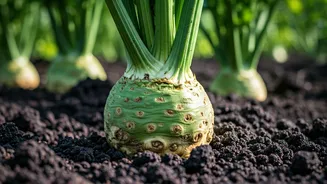
Celery root, also known as celeriac, is a delicious, less-known root vegetable that can be a rewarding addition to your garden. Celery root thrives in cool climates, requiring a long growing season of around 100 to 120 days. Start celery root seeds indoors about 8 to 10 weeks before the last expected frost. Transplant the seedlings into the garden after the danger of frost has passed, spacing them about 12 inches apart. Celery root requires rich, well-draining soil and plenty of sunlight, ideally 6-8 hours a day. Keep the soil consistently moist, especially during dry spells. Mulching around the plants can help retain moisture and suppress weeds. Celery root benefits from regular fertilization. Feed them with a balanced fertilizer every few weeks during the growing season. Remove any side shoots that develop to encourage the plant to focus its energy on growing the root. Watch out for pests like aphids and slugs. Harvest celery root in late fall, before the ground freezes. Gently dig up the roots and cut off the tops. Celery root can be stored in a cool, dark place for several months, making it a great vegetable to have in winter. Prepare celery root for cooking by peeling it with a sharp knife and using it in soups, stews, or roasted dishes.