
Pressure Changes
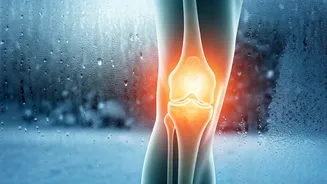
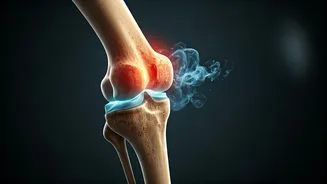
One of the primary suspects in the winter joint pain mystery is the changing barometric pressure. This is the weight of the air pressing down on us. When
the weather changes and air pressure drops, the tissues around the joints can swell. This swelling can lead to increased pressure within the joint space, irritating nerves and causing pain. Think of it like a balloon; when the air pressure outside changes, the balloon expands or contracts, potentially causing discomfort. For people who are predisposed to joint issues, these subtle shifts in pressure can trigger or worsen pain, making winters especially challenging. Additionally, these changes can affect the synovial fluid within the joints, which may thicken, leading to more stiffness and reduced lubrication. This further compounds the problem, making movement more difficult and painful during the colder months. This fluctuation in air pressure, coupled with cold weather, explains why many individuals experience a surge in joint pain as the seasons change from fall to winter. This highlights the intricate relationship between atmospheric conditions and human physiology.
Decreased Activity
Winter often brings a decrease in physical activity, contributing significantly to heightened joint pain. Colder temperatures and shorter days can lead to a more sedentary lifestyle. This reduction in movement can weaken the muscles supporting the joints. Weaker muscles mean less support for the joints, leading to increased stress and pain. Moreover, reduced exercise limits the circulation of blood and synovial fluid to the joints. This inadequate flow can exacerbate stiffness and hinder the delivery of nutrients, further worsening joint discomfort. With fewer opportunities to engage in regular physical activity, joints become more prone to stiffness and pain. The lack of movement can also lead to weight gain, which places additional strain on joints, especially in the knees, hips, and ankles. So, the decrease in activity, coupled with changes in weather patterns, forms a vicious cycle for individuals dealing with joint pain during the winter season. Maintaining an exercise routine is, therefore, crucial to managing joint health in winters.
Cold-Induced Stiffness
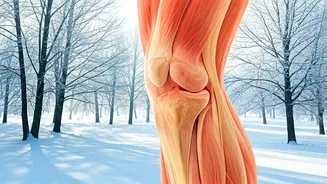
Cold temperatures cause the soft tissues around the joints, such as muscles, tendons, and ligaments, to contract. This contraction results in stiffness. The tissues become less flexible, making movement more difficult and often painful. This is because the cold constricts blood vessels, reducing blood flow to the affected areas. This diminished blood flow can lead to inadequate nutrient delivery and waste removal from the joints, exacerbating pain and inflammation. The combination of tissue contraction, reduced blood flow, and the subsequent stiffness creates a perfect storm for joint pain, making it a common winter complaint. For those with pre-existing joint conditions, the cold amplifies these effects, intensifying their symptoms. Even individuals without known joint problems may experience increased stiffness and discomfort during cold periods, which is a consequence of natural physiological responses to the environment. That’s why many find it hard to get out of bed on a cold winter morning.
Managing Winter Pain
While winter can be a challenging time for joint pain sufferers, several strategies can help manage the discomfort. Staying active is essential, even if it’s just indoor exercises or short walks. Regular movement helps maintain muscle strength and supports joint health. Also, keeping warm is vital, and layering clothing to insulate against the cold is very beneficial. Additionally, maintaining a healthy weight reduces the load on joints and can decrease pain. Consider applying heat to painful areas, as it can ease stiffness and increase blood flow. Furthermore, consulting a healthcare professional is advisable for personalized advice and treatment options. They might recommend specific exercises, pain relievers, or other interventions based on your unique needs. Dietary adjustments, such as including anti-inflammatory foods, may also offer relief, so consider consulting a nutritionist to personalize your diet to improve your joint health and reduce inflammation during the winter season. These combined strategies provide a comprehensive approach to managing joint pain and improving overall comfort during winter.