


Cilantro: The Zesty Foundation
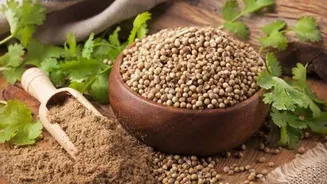
Cilantro stands as an indispensable element in Mexican culinary traditions, particularly within vegetarian preparations. Its bright, zesty notes are pivotal
for enhancing the freshness of salsas, livening up salads, and adding a vibrant lift to soups. This versatile herb is frequently incorporated both in its fresh form, adding a burst of flavor and a pop of color as a garnish, and as a crucial component in numerous time-honored recipes. Cilantro harmonizes beautifully with classic pairings like tomatoes, creamy avocados, and hearty beans, not only contributing its distinctive taste but also bestowing an appealing visual vibrancy with its lush green hue.
Oregano: Dried Depth
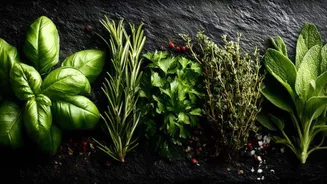
Mexican oregano offers a more potent and complex flavor profile when compared to its Mediterranean counterpart. Typically utilized in its dried state, it serves as a powerful flavor enhancer for slow-cooked stews, robust sauces, and simmered beans. This herb introduces a warm, subtly peppery essence that complements the natural sweetness of tomatoes and the fiery notes of chiles exceptionally well. Oregano is generally introduced into the cooking process early on, allowing its robust flavors ample time to meld and infuse harmoniously with the other ingredients, thereby enriching the overall taste of the dish.
Epazote's Earthy Notes
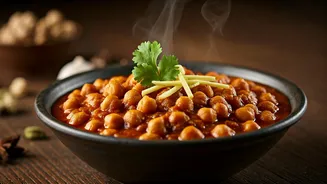
Epazote presents a truly unique aromatic character, often described as having nuances reminiscent of mint or tarragon. Its inclusion is particularly prevalent in dishes featuring beans, where it is historically believed to aid in mitigating digestive discomfort. Beyond this practical benefit, epazote imparts a profound, earthy depth to soups and various stewed preparations. Due to its intense fragrance and flavor, it is judiciously used, as even small quantities can significantly influence the taste of a dish, requiring a careful hand to achieve the desired balance.
Parsley's Gentle Touch
While perhaps not as universally recognized as cilantro or oregano in the Mexican pantry, parsley still carves out an important niche. Its milder flavor profile makes it an exceptionally adaptable ingredient, capable of complementing a wide array of dishes without overshadowing more dominant tastes. Parsley can be used fresh as a decorative and flavorful garnish, adding a touch of brightness to finished plates, or it can be introduced during the cooking process to impart a subtle yet discernible layer of flavor that enhances the overall complexity of the meal.
Bay Leaves: Subtle Impact
Bay leaves are predominantly employed whole during the simmering of soups and stews, where their subtle aroma is gradually released as they infuse into the liquid over extended cooking periods. They contribute a sophisticated layer of complexity, enhancing the flavor of ingredients like beans or lentils without asserting an overpowering presence. It is crucial to remember that bay leaves are primarily for infusing flavor and should be retrieved and discarded before serving, as their tough, leathery texture makes them unsuitable for consumption.