






A Royal Spiritual Legacy
Nestled approximately 22 kilometers north of Udaipur in the town of Kailashpuri, Rajasthan, stands the majestic Shri Eklingji Prabhu Mandir, a testament
to India's rich spiritual heritage. This ancient shrine, dedicated to Lord Shiva, recently welcomed members of the prominent Ambani family, including Mukesh Ambani, his daughter Isha, son Anant, and daughter-in-law Radhika Merchant. The visit underscored the temple's enduring significance not just as a place of worship but as a powerful symbol intertwined with the deep-rooted royal traditions of the Mewar Dynasty. The temple's history dates back to the 8th century when it was established by Bappa Rawal, the revered founder of the Mewar dynasty. The deity, Lord Eklingji, is considered the ruling god of the region, and historically, the Maharana of Udaipur has always viewed himself as the deity’s representative, underscoring the unique confluence of spiritual authority and royal lineage that defines this sacred site. This profound connection between the divine and the rulers has cemented Eklingji's status as a cornerstone of Rajasthan's cultural and religious landscape, drawing countless devotees and esteemed guests throughout the centuries.
Architectural Splendor and Divine Iconography
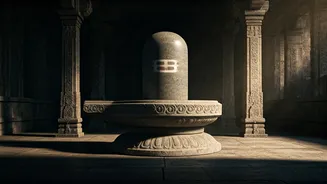
The architectural brilliance of Shri Eklingji Temple is immediately apparent, constructed primarily from exquisite white marble and sandstone. Built in 734 AD, the temple is a masterpiece of classic Rajputana craftsmanship, featuring intricate carvings and grand designs that narrate tales of devotion and artistry. At the heart of the shrine lies a striking black marble idol of Lord Shiva, distinguished by its four faces. This multifaceted idol symbolically represents the principal deities of the Hindu pantheon: Lord Brahma, Lord Vishnu, Lord Mahesh (Shiva himself), and Surya (the Sun God), embodying a holistic representation of cosmic power and divine energy. The temple complex itself is vast, encompassing over 108 smaller shrines dedicated to various other deities. These structures, many of which were meticulously rebuilt from ancient ruins, contribute to the overall spiritual aura of the site, making it an expansive pilgrimage destination. The sheer scale and detailed artistry involved in its construction highlight the immense devotion and dedication poured into its creation, offering visitors a visually stunning and spiritually immersive experience.
A Vibrant Pilgrimage Site
Shri Eklingji Temple pulsates with spiritual energy throughout the year, drawing devotees from all corners of India who seek the blessings of Lord Shiva. While the temple is a significant pilgrimage site year-round, its vibrancy reaches a crescendo during auspicious periods like Maha Shivratri, a festival dedicated to Lord Shiva, and on Mondays, which are considered highly sacred for his worship. During these times, the atmosphere is amplified with fervent prayers, devotional rituals, and the offering of milk and flowers. Devotees engage in abhishek ceremonies, pouring sacred liquids over the idol as a gesture of purification and devotion, earnestly seeking divine grace for prosperity, protection, and spiritual fulfillment. The collective devotion and the shared spiritual practice create a powerful sense of community and faith, reinforcing the temple's enduring role as a focal point for religious observance and a sanctuary of peace and blessings for all who visit.