





Turkish Bay Leaves
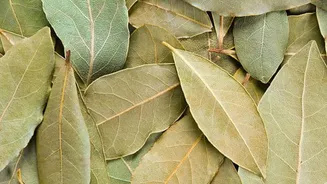
Turkish bay leaves stand out as a go-to for plant-based recipes due to their gentle flavor profile. They are particularly well-suited for extended cooking
processes like simmering soups and stews, allowing their subtle fragrance to permeate the dish gradually. Their mildness makes them a fantastic partner for delicate vegetable broths and fluffy rice pilafs, ensuring they enhance rather than dominate. These versatile leaves are readily accessible, making them an indispensable item for any home cook seeking to add depth to their vegetarian creations.
California Bay Leaves
In contrast to their Turkish relatives, California bay leaves possess a more pronounced aroma. They impart a richer, more intense flavor to vegetarian meals, making them exceptionally suitable for hearty broths and substantial stews. The distinctive scent of these leaves can significantly elevate dishes centered around beans or lentils. However, due to their potent nature, a conservative approach to their usage is recommended to avoid overwhelming the palate; a little goes a long way in transforming your cooking.
Indian Bay Leaves
Hailing from the _Cinnamomum tamala_ tree, Indian bay leaves offer a unique aromatic experience, reminiscent of cinnamon and clove. These are a cornerstone in traditional Indian cooking, frequently incorporated into biryanis and curries to lend a warm, spicy fragrance that complements other spices beautifully. Beyond Indian cuisine, they can introduce an intriguing, exotic dimension to Western-style vegetable casseroles, offering a delightful twist to familiar dishes. Their complex flavor makes them a fascinating addition for culinary exploration.
Fresh vs. Dried
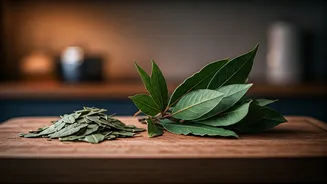
When deciding between fresh and dried bay leaves, consider their aromatic intensity and availability. Fresh leaves typically offer a more vibrant fragrance, but their accessibility can be limited throughout the year. Dried bay leaves, on the other hand, provide greater convenience and a longer shelf life, though their potency may diminish over time. To best preserve the flavor of dried bay leaves for your vegetarian dishes, store them in an airtight container, shielded from light, ensuring they retain their aromatic qualities for future use.
Effective Usage Tips
Maximizing the flavor contribution of bay leaves in your vegetarian cooking without overpowering other components involves strategic application. Introduce them early in the cooking process; this allows their essence to gradually infuse and harmonize with the other ingredients as they simmer. It is crucial to remember to remove the leaves before serving, as their texture remains tough even after prolonged cooking. Don't hesitate to experiment with different types of bay leaves according to your recipe's requirements, and consider blending their flavors with complementary herbs like thyme or rosemary for a more nuanced taste.