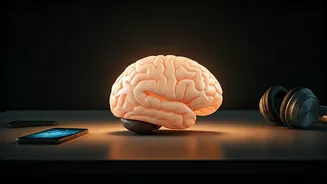








The Shifting Neurological Landscape
Neurological conditions, once predominantly associated with older age groups, are now alarmingly prevalent among younger Indian adults. This shift is being
directly attributed to the profound changes in our daily lives. Factors such as prolonged periods of inactivity due to sedentary jobs and excessive screen time, coupled with diets lacking essential nutrients and the pervasive impact of chronic stress, are creating a fertile ground for issues like frequent headaches, subtle muscle weakness, persistent back pain, and even strokes and spine disorders. Health experts are sounding the alarm, emphasizing that these aren't just age-related ailments anymore but are strongly influenced by the choices we make and the environments we inhabit. The traditional view of neurological health is being challenged, underscoring the urgent need to reassess our daily routines and their long-term consequences on our nervous system. This evolving pattern demands a more vigilant and proactive approach to health, particularly for the younger generation.
Recognizing the Silent Threat
A significant challenge in addressing the surge of neurological disorders is their often-imperceptible beginning. Many serious conditions, including recurrent headaches, mild weakness, strokes, and spinal issues, do not present obvious symptoms in their nascent stages. This silent progression means individuals may not seek medical attention until the condition has advanced considerably, making treatment more complex and less effective. Health experts stress the critical importance of heightened awareness regarding these subtle indicators. Frequently, symptoms like persistent headaches, a slight feeling of weakness, or ongoing back discomfort are dismissed as minor, everyday discomforts, leading to them being overlooked or ignored. This lack of early recognition is a major hurdle, highlighting the paramount need for robust early detection strategies and a greater understanding of the early warning signs that our bodies might be sending us.
The Power of Proactive Care
To combat the rising tide of neurological problems, health specialists are advocating for a fundamental shift in our healthcare approach – moving from reactive treatment to proactive prevention. This involves not only enhancing early detection methods but also actively promoting significant lifestyle modifications. Key recommendations from experts include prioritizing regular medical check-ups to catch potential issues early, fostering greater public awareness of the subtle warning signs associated with neurological disorders, and integrating consistent physical activity into daily routines through regular exercise. Furthermore, adopting a balanced and nutritious diet is crucial for supporting brain and nerve function, while effective stress management techniques are vital for mitigating the damaging effects of chronic stress. By embracing these preventive measures, individuals can significantly bolster their brain and nerve health, potentially altering the trajectory of many neurological conditions.
Advances in Neurological Treatment
While the challenges posed by lifestyle-induced neurological issues are considerable, advancements in medical technology offer significant hope. Modern neurosurgery, particularly precision-driven and minimally invasive techniques, has dramatically improved our capacity to treat complex neurological conditions effectively. These sophisticated surgical methods allow for greater accuracy during operations, thereby minimizing trauma to the patient. This leads to quicker recovery periods and better long-term health outcomes. However, the full benefit of these technological leaps can only be realized if patients seek specialized medical consultation promptly after symptom onset. Bridging the crucial gap between when symptoms first appear and when a patient sees a specialist is identified as a key factor in effectively reducing the overall burden of these debilitating conditions, making timely intervention as vital as the advanced treatments themselves.
Embracing Healthy Aging in India
Reflecting a growing consciousness around well-being, a nationwide survey for World Health Day 2026 revealed that over 7.3 percent of Indians are actively engaged in practices aimed at slowing the aging process and promoting longevity. This indicates a rising importance placed on preventive healthcare across the country. Individuals are increasingly adopting healthy habits encompassing lifestyle adjustments, dietary improvements, regular exercise regimens, the use of supplements, and therapeutic interventions to ensure they experience more active and healthier years. Popular fitness trends such as yoga, strength training, and consistent physical activity are widely promoted, alongside diets rich in antioxidants, to maintain physical vitality. Complementing these efforts, mental well-being practices like meditation and stress management are now recognized as indispensable components of a holistic approach to healthy aging.