



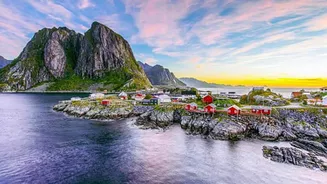
Gjirokastra's Historic Charm
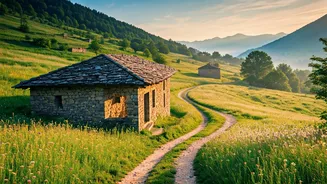
Step back in time in Gjirokastra, a UNESCO World Heritage marvel celebrated for its remarkably preserved Ottoman-era architecture. Perched atop a hill,
the village offers sweeping vistas of the Drino Valley. Wander through its distinctive cobbled lanes, flanked by traditional stone dwellings, and ascend to Gjirokastra Castle for unparalleled panoramic views of the surrounding region. The village also serves as a vibrant hub for cultural festivals, showcasing traditional Albanian music and dance, providing an immersive experience into the local heritage and artistic expressions.
Berat's "Thousand Windows"
Often lauded as the "Town of a Thousand Windows," Berat captivates with its truly unique architectural identity. The town is thoughtfully divided into three historical quarters: Mangalem, Gorica, and Kalivo. Each district provides a distinct window into Albania's rich historical tapestry, featuring a beautiful array of ancient churches and mosques. Looming majestically over the skyline is Berat Castle, an imposing fortress that invites visitors to traverse its historic ramparts and soak in the absolutely breathtaking scenery below. It’s a place where history breathes through every stone and vista.
Dhoksat: Alpine Serenity
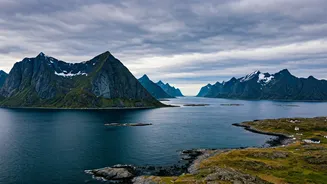
Nestled amidst the majestic Albanian Alps, Dhoksat village presents an idyllic sanctuary for those who cherish nature's embrace. The village is enveloped by verdant, lush landscapes, offering a network of hiking paths that guide explorers to awe-inspiring viewpoints overlooking dramatic mountains and serene valleys. The local inhabitants are renowned for their genuine warmth and hospitality, frequently extending invitations to visitors to partake in age-old traditional practices such as intricate weaving or engaging in the rhythms of farming life. It's a place to connect with both nature and authentic Albanian customs.
Apollonia's Ancient Echoes
Apollonia stands as a testament to a glorious past, once a prominent ancient Greek city-state that eventually faded into antiquity. Today, it flourishes as a significant archaeological site, where visitors can explore the remarkably preserved ruins of temples, theaters, and agoras. These ancient remnants whisper tales from centuries long gone, when this very location served as a vital nexus for trade routes traversing both Europe and Asia Minor. Walking through Apollonia offers a profound connection to the historical and cultural currents that shaped the ancient world.