





Cumin's Ayurvedic Essence
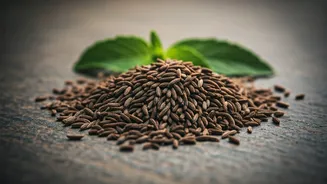
Cumin, affectionately known as 'jeera' in India, is a cornerstone spice in countless culinary traditions, imbuing dishes with its signature earthy aroma
and robust flavour. Beyond its gastronomic appeal, this tiny seed, derived from a flowering plant in the parsley family, holds significant therapeutic value according to Ayurveda. Originating from the Mediterranean region and extending across parts of Asia, cumin seeds are harvested and utilized in their dried form, either whole or ground, to impart a distinct smoky essence. India stands as the global leader in cumin cultivation and export, supplying a substantial portion of the world's demand, with Gujarat leading domestic production. Ayurveda champions cumin for its multifaceted contributions to health, particularly in addressing imbalances related to digestion, reproductive systems, and metabolic functions.
Urinary & Gynaecological Support
Within the Ayurvedic framework, cumin is highly esteemed for its capacity to nurture urinary tract health and support women's reproductive well-being. It is believed to facilitate a healthy flow of urine, aiding the body in expelling toxins and warding off unwanted bacteria, which can be particularly beneficial in managing urinary tract infections. Its inherent anti-inflammatory and antimicrobial qualities are thought to mitigate irritation and hinder microbial proliferation. Furthermore, traditional Ayurvedic practices utilize cumin to alleviate menstrual discomfort and address abnormal vaginal discharge. For concerns related to 'dhatu rog' (tissue-related disorders), it is recognized as a natural aphrodisiac that contributes to reproductive vitality. Cumin may also play a role in reducing uterine inflammation and improving the quality of blood and adipose tissues, while its antimicrobial effects are traditionally employed in managing conditions like gonorrhoea and persistent infections. A simple yet effective remedy involves boiling cumin seeds in water and consuming the resulting brew.
Digestive Health Champion
Ayurveda consistently identifies cumin as a potent ally for a robust digestive system. A time-honored method to harness its benefits involves soaking a teaspoon of cumin seeds in water overnight. The following morning, this infused water is gently boiled and then strained. Consuming this warm elixir is said to stimulate the secretion of digestive enzymes, thereby enhancing the breakdown of food. This practice is a common recommendation for relieving prevalent digestive discomforts such as acidity, excessive gas, and bloating, promoting a sense of lightness and ease after meals. The warming properties of cumin are believed to kindle the digestive fire ('agni'), essential for optimal nutrient absorption and waste elimination.
Cardiovascular Well-being
Cumin contributes positively to maintaining a healthy heart through several mechanisms. It is thought to assist in regulating cholesterol levels, which is crucial for preventing the buildup of plaque in arteries. Its potassium content may aid in managing blood pressure, a vital factor for cardiovascular health. Moreover, the anti-inflammatory properties of cumin can help reduce inflammation within the circulatory system, thereby lowering the risk of arterial blockages. A traditional preparation involves boiling two to three grams of cumin seeds in lukewarm water and sweetening it slightly with sugar. Regular consumption of this beverage is suggested to fortify the heart and support its overall function.
Blood Sugar Regulation
Emerging research aligns with Ayurvedic traditions, suggesting that incorporating cumin into one's diet can be beneficial for managing blood sugar levels and mitigating complications associated with diabetes. Cumin is believed to enhance the body's sensitivity to insulin, a key hormone for glucose uptake. It may also contribute to lowering HbA1c levels, an indicator of long-term blood sugar control. Furthermore, cumin is thought to boost the effectiveness of hormones involved in regulating fat metabolism and glucose balance. Its anti-inflammatory compounds are also believed to combat pro-inflammatory signals linked to insulin resistance and chronic diseases, offering a holistic approach to metabolic health.