


North Africa's Crown Jewel
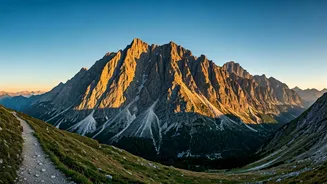
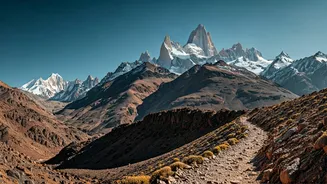
Standing sentinel as the highest point in North Africa, Mount Toubkal beckons adventurers with its impressive 4,167-meter summit. This celebrated peak
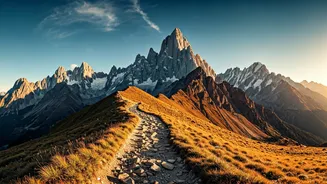
is a magnet for trekkers worldwide, offering not just an ascent but also panoramic vistas that captivate the soul. Typically, reaching Toubkal's apex requires a two-day commitment, often including a night spent in a mountain refuge. While not technically demanding, the climb tests your physical mettle, especially given the steep inclines and the ever-changing mountain weather that can present unexpected hurdles. The journey is a rewarding blend of physical exertion and breathtaking scenery, making it a premier destination for those seeking a significant mountaineering achievement within accessible limits.
Seclusion in the High Atlas
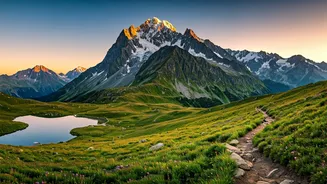
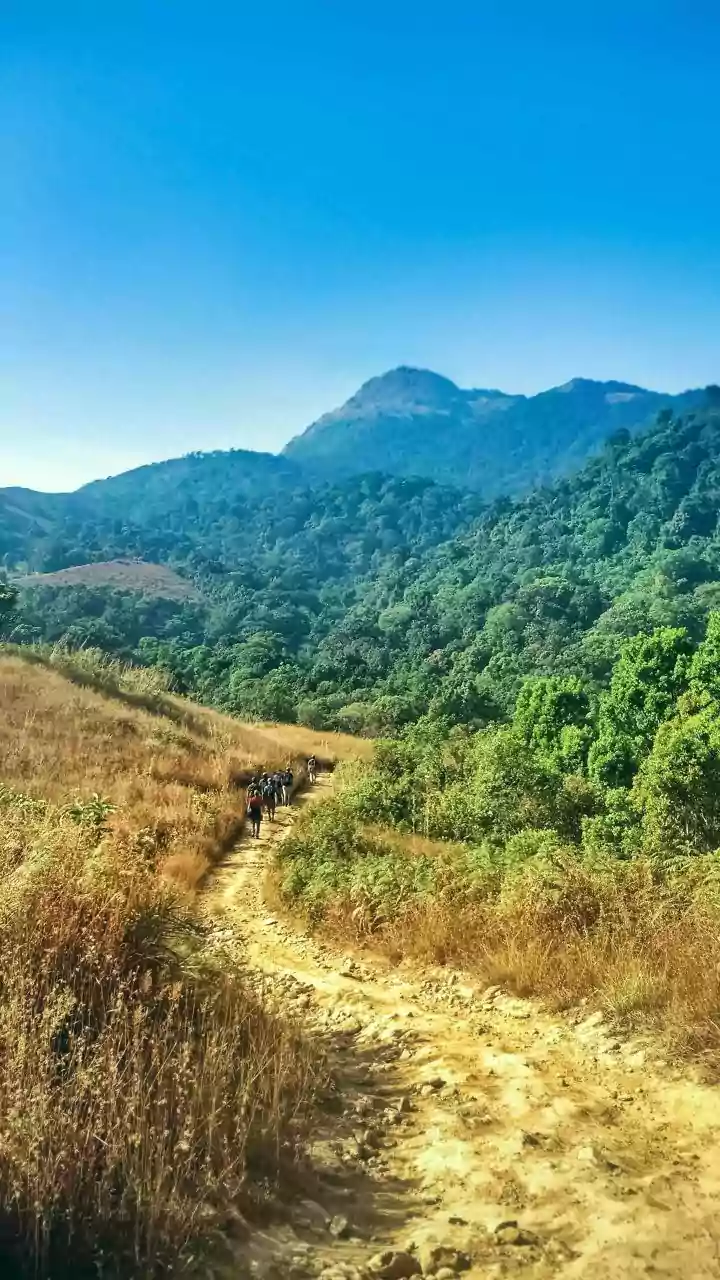
Jbel Mgoun, Morocco's second-highest peak at 4,071 meters, offers a distinctly different, more secluded climbing experience compared to its famous counterpart, Toubkal. This remote mountain is less trodden, appealing to those who crave solitude and an authentic wilderness adventure. The expedition to Mgoun usually spans three days, guiding climbers through picturesque valleys and traditional Berber settlements, providing a rich cultural immersion alongside the physical challenge. The terrain presents a more demanding climb, involving navigation through narrow gorges and over rocky, uneven ground, making it particularly suited for experienced climbers seeking a more rugged and less commercialized ascent. It's an expedition for those who appreciate the quiet majesty of less-explored mountain ranges.
Volcanic Wonders Unveiled
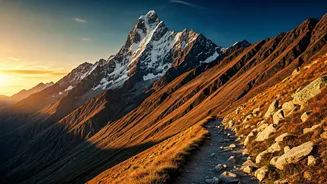
For a journey into unique geological formations, Jbel Siroua presents an extraordinary option within the Atlas range. This peak, reaching 3,304 meters, is celebrated for its striking volcanic landscapes, offering unparalleled views that stretch from the vast Sahara Desert to the formidable Atlas Mountains themselves. Though it sees fewer visitors than other prominent peaks, the experience is profoundly rewarding. The ascent can comfortably be completed in two days, winding through a remarkable variety of natural environments, transitioning from verdant, lush valleys to stark, arid plateaus. Its distinct geological character makes Jbel Siroua an exceptionally interesting destination for explorers eager to venture off the beaten path and witness the raw, natural beauty of the region.
Climbing Safely, Ascending Smart
Ensuring safety and maximizing enjoyment while ascending the Atlas Mountains hinges on thorough preparation. It's imperative to consult weather forecasts meticulously before and during your expedition, as high-altitude conditions can shift dramatically and without warning. Pack essential gear, including robust hiking boots, versatile layers of warm clothing to adapt to temperature fluctuations, and sufficient food and water supplies, recognizing that amenities can be sparse along the trails. Engaging local guides is highly recommended; not only does this financially benefit the local communities, but their profound knowledge of the terrain, cultural nuances, and weather patterns significantly enhances both your safety and the richness of your overall experience.