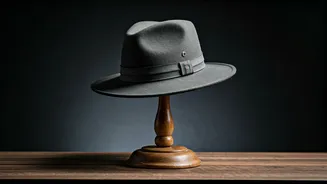







Stitch Examination is Crucial
When considering a handmade hat, the quality of the stitching is a primary indicator of its overall craftsmanship and durability. Meticulously inspect
the stitching for neatness and consistency. Look for evenly spaced stitches without loose threads or puckering. The thread should be securely anchored, and the seams should lie flat. Uneven or poorly executed stitching can indicate a rushed process or lower-quality materials, leading to potential issues like unraveling or structural weakness over time. In contrast, well-executed stitching signifies attention to detail and a commitment to longevity, promising a hat that withstands wear and tear while retaining its shape and aesthetic appeal. The strength and neatness of the stitching directly affect the hat's ability to resist damage and maintain its form.
Flexibility and Shape Retention
Assessing the flexibility and shape retention of a handmade hat is a key factor in determining its comfort and longevity. Gently flex the hat to gauge its pliability. A hat with good flexibility will conform to the shape of your head without feeling stiff or brittle. Observe how the hat returns to its original form after being flexed; it should bounce back without significant distortion. Materials that retain their shape well, such as felt or tightly woven fabrics, tend to offer better resilience to wear and tear. This is particularly important for hats that are subject to bending or compression, like those stored in a bag or used frequently. A hat that holds its shape ensures a consistent fit and appearance, providing both comfort and style over time. It is crucial to determine if the hat will remain intact when exposed to wear and tear.
Design Uniformity Inspection
The design uniformity of a handmade hat reflects the maker's precision and attention to detail, contributing significantly to its overall aesthetic appeal. Carefully examine the hat for any irregularities or imperfections in its design. Check for symmetry, especially in elements like the brim, crown, and any decorative features. Ensure that any patterns or embellishments are consistently applied and aligned. Pay close attention to any seams, ensuring they are straight and that the fabric is smooth without any puckering or bunching. Design uniformity provides a polished, high-quality look. When the hat's design is consistent, it enhances its visual appeal and confirms the skill of the artisan, making it a valuable and stylish accessory. Inconsistencies can detract from the hat's overall aesthetic value.
Material Texture Evaluation
Evaluating the material texture of a handmade hat is fundamental to assessing its quality and suitability for your needs. The texture can significantly influence the hat's comfort, durability, and visual appeal. Run your hand across the hat's surface to feel its texture. Look for a material that feels smooth, consistent, and free of defects. Different materials offer various textures; for instance, felt can be soft and velvety, while straw may have a coarser feel. Consider the material's properties – does it feel breathable, water-resistant, or suitable for the climate you intend to wear the hat in? High-quality materials often have a refined texture that enhances the hat's overall aesthetic and functional value. The feel of the hat should align with your expectations for comfort and the hat's intended use.