




When to Visit
The magical allure of Iceland's ice caves is best experienced during the winter months, typically from November through March. This period is ideal because
the frigid temperatures are crucial for maintaining the structural integrity of these natural formations, ensuring they remain stable and accessible for exploration. During these colder months, the environment inside the caves is more predictable, allowing for a safer and more enjoyable visit. However, it's always prudent to keep a close eye on weather reports, as rapidly changing conditions in Iceland's glacial regions can sometimes impact accessibility, even during the peak season. Planning your visit during this window maximizes your chances of encountering these icy wonders in their most magnificent and explorable state.
Essential Gear
To safely and comfortably explore the chilly depths of an Icelandic ice cave, equipping yourself with the right gear is paramount. Think warm, layered clothing; think thermal base layers, insulating mid-layers, and a waterproof outer shell. Sturdy, waterproof boots are non-negotiable for navigating potentially slippery and wet surfaces. Don't forget warm gloves and a hat to protect your extremities from the biting cold. Inside the caves, temperatures can plummet significantly below the outside air, making these items essential for your well-being. Furthermore, a reliable camera, along with extra batteries, is highly recommended. The extreme cold can rapidly deplete battery life, so being prepared ensures you can capture the incredible icy landscapes without interruption. Consider bringing a small backpack for essentials like water and snacks.
Guided Tours
When venturing into the fascinating world of Iceland's ice caves, you have a choice between joining a guided tour or attempting self-exploration. Opting for a guided tour is strongly recommended, especially for those unfamiliar with glacial environments. These tours are led by seasoned professionals who possess extensive knowledge of the caves' geology, history, and, most importantly, safety protocols. They are adept at identifying potential hazards and ensuring all visitors adhere to necessary safety measures, providing an invaluable layer of security. Guides can also offer fascinating insights into the formation and evolution of these natural ice sculptures. While self-exploration might seem appealing for its freedom, it requires significant expertise in glacier navigation and a thorough understanding of ice safety, which can be challenging for the uninitiated and inherently carries higher risks.
Safety First
Prioritizing safety is the most crucial aspect of any ice cave adventure in Iceland. If you are on a guided tour, your guide's instructions are your primary safety line; always remain within designated paths and heed their advice diligently. Be acutely aware of your surroundings, as hazards such as falling ice fragments or unstable ground can be present within the caves. Before embarking on your excursion, it is imperative to check the latest weather forecasts. Glacial areas are notorious for their unpredictable and rapidly changing weather patterns, which can significantly influence the conditions inside and around the caves. Preparedness and vigilance are key to ensuring a safe and memorable experience within these natural wonders.
Capturing Memories
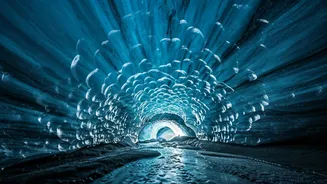
Photographing the ethereal beauty of Iceland's ice caves presents a unique opportunity for stunning imagery. Due to the low-light conditions often found inside, a tripod is an invaluable tool for ensuring sharp, stable shots. Experiment with your camera's settings to accurately capture the vivid blues and intricate textures of the ice without overexposing the highlights or losing detail in the shadows. Playing with different angles and perspectives can reveal the unique architectural marvels within each cave, highlighting the transient nature of these glacial formations. Remember to protect your camera from the cold and moisture, and always be mindful of your surroundings while focusing on your shot to maintain safety.