







Choosing the Thread
The initial step in bark thread bookbinding pivots on selecting the right thread for the project. Several aspects must be considered to make the best decision.
The type of bark used to create the thread can significantly influence its properties. Some barks offer greater durability, while others provide improved flexibility. Experimentation with diverse bark thread varieties could therefore yield the best results for each project. Also, thread thickness is critical. Thicker threads are well-suited for larger books or journals because they withstand the stress of frequent use, and finer threads are often ideal for detailed stitching or smaller, more delicate books. Furthermore, the thread's color also plays a role. Natural shades can bring an earthy aesthetic, and dyed threads can add a pop of color to the project, allowing crafters to tailor their binding to a specific aesthetic preference. Considering these factors ensures that the thread complements the paper, project's size, and the desired visual impact.
Preparing Journal Pages
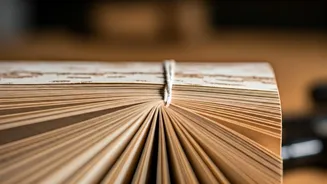
Preparing journal pages is essential to ensure that the bookbinding using bark thread is of high quality. Firstly, the selection of paper is important because the paper's weight and texture impacts the thread's performance and the overall durability of the binding. Thicker paper is more resistant to tearing, and it can offer a more robust structure for the book. Secondly, accurate measurements and alignment are key. All pages should be perfectly aligned and cut to the same size for a neat appearance. This precise alignment prevents inconsistencies in the finished journal, thus maintaining professional standards. Thirdly, ensure that the pages are properly folded to create the book's sections or signatures. Each section, which typically comprises a few sheets folded together, is crucial for both the structure and ease of binding. Furthermore, the process of creating the holes where the thread will pass through is crucial. The holes must be uniformly spaced and accurately placed to ensure even distribution of stress, avoiding potential tearing when binding. Finally, these steps will enhance the overall outcome, guaranteeing that each journal is bound beautifully and is extremely durable, making it an exquisite work of art.
Using Bark Thread
Using bark thread effectively in bookbinding is a skill that blends technique and precision. Firstly, the correct threading technique plays a crucial role. Begin by threading the needle with bark thread, then pass it through the pre-made holes, connecting the journal's pages together. Different binding techniques, such as the Coptic stitch or the long stitch, require different methods of threading; therefore, understanding these varied approaches widens the scope of design. Secondly, tension management is important. The bark thread should be pulled tight enough to secure the pages but not so tight that it warps the paper or tears the thread. A consistent tension will maintain structural integrity and a uniform look throughout the spine. Thirdly, knotting and finishing the thread require precision. Secure the thread with carefully tied knots, and the knots should be tight enough to ensure the binding won't unravel but should also be discreet to maintain an elegant aesthetic. Additionally, different methods are used based on aesthetics and longevity, such as using a decorative knot or tucking the thread away discreetly. Finally, practicing these steps ensures the book is bound tightly, is aesthetically pleasing, and is a durable journal for everyday use.
Finishing the Journal
The finishing touches for your journal are important in creating a refined product. Firstly, the spine is the main focus, and it is usually treated to offer strength and aesthetics. The spine might be covered with extra bark thread to give a beautiful look, or it could be adorned with decorative elements such as beads. Secondly, the edges of the journal must be trimmed neatly. You can use a sharp knife or a paper cutter to make a neat edge. Smooth edges present a professional look and prevent the edges from tearing or fraying. Thirdly, adding cover materials like thick paper or boards can make a journal more durable and visually appealing. These components provide the structure of the journal and protect the inner pages. Furthermore, adding decorative elements can turn the journal into a work of art. These elements, like hand-painted designs, stamps, or small embellishments, add individuality to each book. Lastly, adding a finishing treatment such as a light coating of wax can improve durability and resilience to moisture, ensuring that the journal can be maintained for years.