







Sorghum Flour Basics
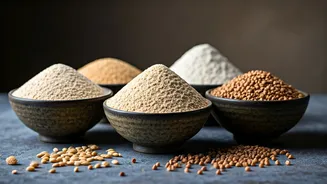
Sorghum flour, derived from the resilient sorghum plant known for its drought tolerance, is rapidly becoming a staple in gluten-free kitchens. Its fine
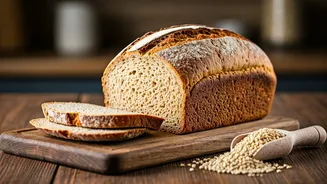
texture and pale hue make it an excellent foundation for a variety of baked goods, particularly bread. A key characteristic of sorghum flour is its inherent subtle sweetness, which can potentially reduce the need for added sugars in recipes. Furthermore, its substantial fiber content contributes significantly to digestive well-being and promotes a lasting sense of fullness, making it a smart choice for those mindful of their dietary intake. Understanding these fundamental properties is the first step toward successfully incorporating sorghum flour into your baking endeavors, paving the way for delicious and wholesome gluten-free creations.
Nutritional Powerhouse
Beyond its baking potential, sorghum flour stands out for its impressive nutritional profile. This ancient grain is abundant in antioxidants, compounds that play a crucial role in combating cellular damage caused by oxidative stress within the body. It also serves as a valuable source of essential minerals, including iron, which is vital for oxygen transport, magnesium, important for numerous bodily functions, and phosphorus, key for bone health. The protein found in sorghum flour is beneficial for tissue repair and muscle development. Importantly, its low glycemic index makes it a suitable option for individuals managing diabetes, as it tends to cause a slower, more gradual rise in blood sugar levels compared to refined grains.
Baking with Sorghum
To achieve the best results when using sorghum flour in bread recipes, it's advisable to blend it with other gluten-free flours such as almond or coconut flour. This combination often yields a superior texture and better rise in the final product. To mimic the elasticity typically provided by gluten, incorporating binders like xanthan gum or psyllium husk is highly recommended. These agents help to hold the dough together and improve its structure. Sorghum flour can be somewhat absorbent, so you might find it beneficial to slightly increase the amount of liquid ingredients in your recipe to ensure a well-hydrated dough and prevent a dry crumb.
Flavorful Additions
Elevating your sorghum bread beyond a basic loaf is remarkably simple and rewarding. Injecting vibrant flavors can be achieved by incorporating aromatic spices like cinnamon or nutmeg, which add warmth and complexity. For added texture and an extra nutritional boost, consider sprinkling in seeds such as chia or flaxseeds. These small powerhouses contribute omega-3 fatty acids and fiber. If you prefer a touch more sweetness without resorting to refined sugars, incorporating dried fruits like plump raisins or tangy cranberries can introduce delightful bursts of natural sweetness and chewiness, making your sorghum bread a truly artisanal creation.