



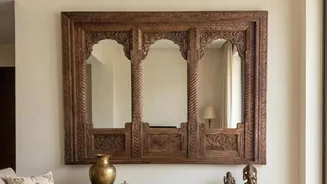
Grandeur of Columns
The Greek Revival style is intrinsically linked with the majestic presence of columns, echoing the architectural marvels of ancient Greece. Integrating
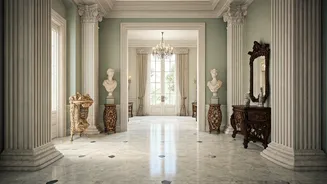
these structures into your home design instantly bestows a sense of formality and imposing elegance. Whether you opt for full-height columns that command attention in grand entryways or living rooms, or choose more understated pilasters for a subtler touch, their impact is undeniable. These architectural elements can even be incorporated as decorative features on furniture pieces, adding a layer of classical detail. The strategic placement of columns serves as a powerful design tool, elevating the visual appeal and imbuing the space with a timeless sense of grandeur and historical depth, making any room feel more substantial and visually striking.
Harmony in Symmetry
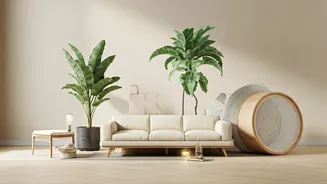
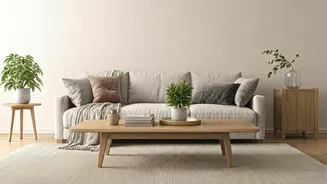
At the heart of Greek Revival design lies the principle of symmetry, a fundamental element that cultivates balance and visual harmony within interior spaces. To effectively implement this aspect, consider arranging your furniture and decorative elements in a mirrored fashion around a central focal point, such as a fireplace, a prominent window, or an artwork. This could involve placing identical lamps on either side of a sofa, or matching side tables flanking a bed. The consistent use of pairs creates a sense of order and tranquility, contributing to an atmosphere of calm and meticulous curation. This balanced approach not only enhances the aesthetic appeal by creating pleasing visual lines but also fosters an environment that feels inherently organized and thoughtfully composed, making the space feel more serene and intentionally designed.
Classic Color Schemes
The color palette associated with the Greek Revival style draws inspiration from the natural world and the subdued hues found in ancient architecture. Common choices include serene shades of white, soft creams, gentle blues, and calming earthy greens. These colors work together to create an inviting and tranquil ambiance, allowing the architectural features, such as detailed moldings and decorative trim, to stand out prominently without overwhelming the senses. Applying these classic hues to your walls or using them as accent colors can effectively capture the authentic essence of this historical design movement. This approach ensures a sophisticated and grounded aesthetic that feels both timeless and welcoming, emphasizing subtle beauty over bold statements.
Elaborate Moldings and Trim
Intricate moldings and detailed trim work are defining characteristics of Greek Revival interiors, adding significant depth and architectural interest. Elements like crown moldings along the ceiling, baseboards at the floor, and chair rails around the mid-walls can dramatically enhance a room's character without requiring extensive structural changes. For an authentic touch, select designs that incorporate classical motifs, such as stylized laurel wreaths or the iconic Greek key pattern. These decorative details serve to elevate the overall elegance of the space, providing a refined finish that is both visually appealing and functionally integrated into the home's architecture. They contribute to a polished and sophisticated look, underscoring the style's commitment to refined aesthetics.
Authentic Antique Furnishings
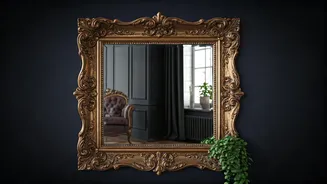
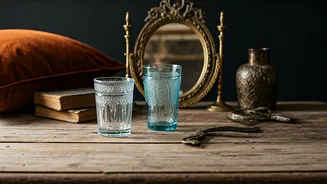
Integrating antique furnishings is arguably the most effective way to truly embody the spirit of Greek Revival decor. Seek out pieces that feature classical motifs or are crafted from rich, traditional materials like mahogany or walnut, as these elements lend an unparalleled sense of authenticity and historical charm to your interiors. Whether it's a vintage side table with elegant carved details, an ornate mirror frame that reflects the grandeur of the past, or a stately armchair, these antique treasures infuse your living spaces with a palpable sense of history and character. They serve as tangible connections to bygone eras, enriching the overall aesthetic and creating a narrative of enduring style within your home.