






A Disturbing Trend
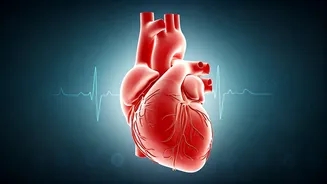
The medical community is witnessing a concerning surge in heart attack cases among individuals in their late thirties and early forties. Once considered
a condition primarily affecting older populations, cardiovascular events are now striking much younger adults. Experts note a dangerous pattern where the initial indicators of a heart attack are frequently misinterpreted as common, everyday ailments. These can range from indigestion after a substantial meal to muscle strain from prolonged computer use, or even simple fatigue resulting from demanding work schedules. This tendency to dismiss early warnings means that vital time for intervention is often lost, potentially leading to more severe consequences. The case of Maiara Cristina de Lima Fiel, a 31-year-old Brazilian beauty queen who tragically passed away from a sudden heart attack, serves as a stark reminder of this escalating public health concern. Her untimely death has not only caused widespread grief but has also reignited discussions about the vulnerability of seemingly healthy young individuals to acute cardiac episodes and the need for greater awareness.
Overlooked Warning Signs
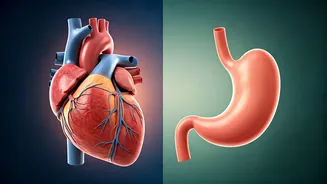
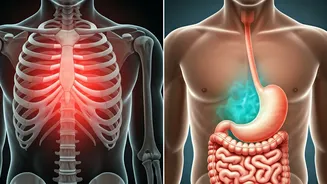
A significant danger in the rise of heart attacks among younger demographics lies in the subtle nature of their initial symptoms. These crucial warning signs are often mistaken for less serious, lifestyle-related issues, leading to delayed medical attention. For instance, discomfort after eating a large meal might be dismissed as acidity, while a persistent ache in the shoulder could be attributed to poor posture from working at a desk. Similarly, feelings of exhaustion are frequently associated with demanding work hours rather than a potential cardiac event. Cardiologists emphasize that these attacks are not necessarily 'silent' but rather possess symptoms that are so common they are easily overlooked. By the time individuals seek professional help, substantial damage to the heart may have already occurred. This underscores the critical advice from medical professionals: pay attention to symptoms that persist or feel unusual, even if they initially appear to be minor and harmless. Proactive awareness and prompt consultation are paramount.
Factors Driving Risk
The increasing incidence of heart attacks in younger adults is multifactorial, encompassing both genetic predispositions and, more significantly, the growing prevalence of conventional risk factors. While inherited conditions can play a role, modern lifestyles are largely contributing to this epidemic. Key factors include a rise in obesity rates, the widespread adoption of sedentary lifestyles devoid of regular physical activity, and the increasing diagnosis of diabetes and hypertension. Dyslipidemia, characterized by abnormal levels of cholesterol and other fats in the blood, is also a significant contributor. Furthermore, smoking and substance abuse remain critical concerns, exacerbating cardiovascular strain. Beyond these well-known culprits, less commonly discussed influences like chronic mental and workplace stress, alongside environmental pollution, are also recognized as significant drivers of these critical cardiac events in the younger population.
Boosting Heart Health
Proactively safeguarding one's cardiovascular health, particularly in the thirties, is achievable through a combination of lifestyle adjustments and regular medical oversight. Adopting a nutritious and well-rounded diet is fundamental, which involves actively avoiding refined sugars, unhealthy fats, and heavily processed foods that can negatively impact heart function. Complementing dietary changes with consistent physical activity is equally vital; aiming for at least 30 minutes of moderate exercise on five days of the week can significantly strengthen the heart. Eliminating tobacco use is non-negotiable for those who smoke. Moreover, prioritizing regular health screenings allows for the early detection and management of any potential issues. Finally, focusing on improving mental well-being is an often-underestimated aspect of heart health, as managing stress effectively can have profound positive effects on the cardiovascular system.